


Household pests can pose serious threats to both your health and property. Identifying these pests and implementing effective control strategies is essential for maintaining a clean, safe, and comfortable living environment.
Ants are one of the most common household pests. They invade homes in search of food and water, often forming long trails that lead directly into kitchens or pantries.
Signs of an Ant Infestation:
– Visible ant trails – Small piles of dirt (ant nests) – Scattered crumbs or food residue attracting ants
Control Strategies:
– Eliminate Food Sources:Store all food in airtight containers, clean up spills immediately, and keep countertops free from crumbs.
– Seal Entry Points:Use caulk or weather stripping to seal cracks around windows, doors, and foundations.
– Use Bait Traps:Place ant bait near entry points to attract ants and eliminate colonies effectively.
Cockroaches are nocturnal insects that thrive in warm, damp environments like kitchens and bathrooms. They can spread diseases such as salmonella through contaminated surfaces.
Identifying a Cockroach Infestation and Pest Removal in Deltona, FL:
– Droppings resembling coffee grounds or black pepper
– Musty odor in areas with heavy infestation
– Shed skins or egg casings near dark corners
Control Strategies:
– Declutter Your Home:Remove cardboard boxes, stacks of paper, or other hiding spots where cockroaches may nest.
– Fix Leaks:Repair any plumbing leaks that provide moisture for cockroaches to thrive.
– Apply Insecticide Gel Bait:Focus on high-risk areas like behind appliances or under sinks.
Mice can enter homes through small gaps in walls or doors in search of shelter. They pose a threat by contaminating food supplies, damaging property through gnawing, and spreading diseases like hantavirus.
Signs of Mice Activity:
| Evidence | Description |
|——————|———————————————–|
| Droppings | Small, black pellet-like droppings |
| Gnaw Marks | Chewed wires, furniture corners, or packages |
| Scratching Noises| Noises within walls during nighttime |
Control Strategies: – Seal All Openings:Block gaps larger than 1/4 inch with steel wool or caulking material.Place Traps Strategically:Use snap traps near walls where mice frequently travel.Maintain Cleanliness:Keep trash bins sealed tightly.
Rats are larger than mice but equally dangerous due to their destructive gnawing habits and ability to carry diseases such as leptospirosis.
Signs of Rat Presence: – Greasy rub marks along walls – Larger droppings compared to mice – Burrows outside the home near foundations
Control Strategies:1. Eliminate outdoor debris piles where rats may nest. 2. Set up bait stations using tamper-proof containers. 3. Regularly inspect your attic for gnawed materials.
Termites silently damage wooden structures over time by feeding on cellulose found in wood products inside homes.
Common Signs of Termite Infestations: | Sign | Description | |————————|——————————————| | Mud Tubes | Thin tunnels along foundation walls | | Hollow Wood Sounds | Tapping on wood produces hollow sounds | | Discarded Wings | Piles of wings from swarming termites |
Control Strategies:1. Reduce moisture levels around your home’s foundation by fixing drainage issues. 2. Remove wood-to-ground contact areas (e. g. , old stumps). 3. Consider professional treatment options such as liquid termiticides or bait systems if signs persist.
By addressing these common pests with effective strategies tailored to their behaviors and habitats, homeowners can protect their living spaces from damage while ensuring a healthier environment for their families.
Cockroaches are among the most resilient and widespread household pests, thriving in various environments, especially those that provide warmth, food, and moisture. Their presence not only causes discomfort but also poses significant health risks to humans. Below, we’ll explore why cockroaches are dangerous and outline proven methods to eliminate them effectively.
How a Deltona FL Pest Control Company Can Help Protect You from Dangerous Cockroaches
Cockroaches are more than just a nuisance; they carry harmful bacteria, contaminate food supplies, and trigger allergies.
- Disease Transmission:
Cockroaches can carry pathogens like Salmonella, E. coli, and even parasitic worms. These contaminants often spread as cockroaches crawl over surfaces or come into contact with food. - Allergy Triggers:
Their saliva, feces, and shedding body parts contain proteins that can cause allergic reactions in sensitive individuals. People with asthma may experience worsened symptoms due to exposure to cockroach allergens. - Food Contamination:
Cockroaches leave behind droppings and regurgitated food wherever they travel. This contamination can render food unsafe for consumption. - Rapid Reproduction:
A single female cockroach can produce hundreds of offspring in her lifetime, making infestations difficult to control without prompt intervention.
Signs of a Cockroach Infestation
Identifying a cockroach problem early is crucial for effective pest control.
- Droppings: Small black or brown droppings similar to coffee grounds or pepper flakes.
- Egg Casings (Oothecae): Long capsules containing multiple eggs.
- Unpleasant Odor: A musty or oily smell often accompanies large infestations.
- Shed Skins: Evidence of molting as they grow.
- Live Sightings: Spotting live cockroaches during the day may indicate a severe infestation.
Effective Strategies for Eliminating Cockroaches
Cockroach control requires a multi-faceted approach combining sanitation practices, pest-proofing your home, and using targeted treatments: deltonapestcontrol.net
Keeping your home clean discourages cockroaches from settling in. Focus on the following tasks: – Regularly sweep floors and vacuum carpets. – Wipe down countertops after preparing meals. – Store food in airtight containers. – Take out the trash frequently and seal garbage bags tightly.
Seal off possible entryways with these measures: – Use caulk to fill cracks around windows, doors, and baseboards. – Install weather stripping under doors. – Repair leaky pipes or faucets that create moist environments.
Chemical treatments can be effective when used responsibly: | Type | Description | |——————–|—————————————————————————–| | Bait Stations | Contain poisoned bait that attracts roaches while minimizing exposure risks | | Gel Baits | Applied in crevices where roaches hide | | Boric Acid Powder | A natural yet effective insecticide when placed in high-trafficked areas |
For those seeking eco-friendly options: – Sprinkle diatomaceous earth where roach activity is noticed; this abrasive powder damages their exoskeletons. – Mix equal parts sugar and baking soda to create a bait that disrupts their digestive systems.
For severe infestations beyond your control: Engage licensed exterminators who use advanced tools like heat treatments or fumigation for comprehensive elimination.
Prevent Future Infestations
Long-term prevention ensures your home remains roach-free after treatment:
1. Regularly inspect potential hiding spots such as under sinks or behind appliances.
2. Avoid leaving dirty dishes overnight in sinks or countertops uncleaned after meals.
3. Keep drains clear by flushing them regularly with hot water.
By understanding the risks posed by cockroaches and implementing these strategies systematically, you can protect your household from the dangers they bring while maintaining a healthy living environment for you and your family.
Mice Infestations Explained and Proven Methods to Prevent Them
Mice infestations are a common issue faced by homeowners, especially during colder months when rodents seek shelter indoors. These small pests may seem harmless, but they pose significant health risks and can cause considerable damage to property.
The Risks Associated with Mice Infestations
- Mice have strong incisors that allow them to chew through wood, wires, drywall, and insulation materials. This increases the risk of structural damage and even electrical fires caused by gnawed wiring.
- Stored belongings such as clothing or paper goods can be destroyed as mice use these materials for nesting.
- A single pair of mice can produce dozens of offspring in a short time, leading to an infestation that becomes harder to control if left unchecked.
Identifying Signs of Mice Infestation
Being able to recognize the early signs of mice presence is essential for prompt action.
- Droppings: Small black or dark brown pellet-shaped feces found near food sources or along pathways they frequently travel.
- Gnaw Marks: Scratches or holes in furniture, walls, or packaging materials.
- Nesting Material: Shredded paper, fabric, or insulation used by mice to create nests.
- Noises at Night: Scratching sounds coming from walls or ceilings during nighttime hours when mice are most active.
- Footprints or Tail Marks: Visible tracks in dusty areas.
Effective Methods to Prevent and Control Mice
Prevention Tips
- Inspect the perimeter of your home for cracks or holes around doors, windows, pipes, and vents.
- Use steel wool or caulk to block small gaps since mice are capable of squeezing through spaces as tiny as a dime.
- Store food in airtight containers made of glass or metal.
- Clean up crumbs immediately after meals and ensure garbage bins have tight-fitting lids.
- Reduce clutter in storage areas such as basements and attics where mice might hide.
Control Strategies
- Traps:
Utilize snap traps for quick results or live traps if you prefer humane removal methods. Place traps along walls where droppings are found since mice tend to follow familiar routes. - Baits:
Use rodenticides cautiously and only as directed on the label to avoid accidental poisoning of pets or children. - Ultrasonic Repellents:
Electronic devices that emit high-frequency sounds claim to deter rodents; however, their effectiveness may vary depending on environmental factors. - Professional Pest Control Services:
Severe infestations often require assistance from licensed pest control professionals who can implement tailored solutions using advanced techniques.
| Method | Effectiveness | Notes |
| Snap Traps | High for targeted removal | Requires regular checking |
| Baits | Effective but risky | Best suited for inaccessible areas |
| Ultrasonic Devices | Variable results | Works best as part of a broader strategy |
| Professional Services | Very effective | Ideal for large-scale infestations |
Long-Term Monitoring
- Regularly inspect susceptible areas such as kitchens, basements, garages, and attics.
- Keep vegetation trimmed at least two feet away from your home’s exterior walls.
- Continue sealing new entry points that may appear over time due to wear-and-tear on structures.
By taking proactive measures against mice infestations while staying alert for warning signs early on, you’ll protect both your home and family from unnecessary risks associated with these unwelcome pests.
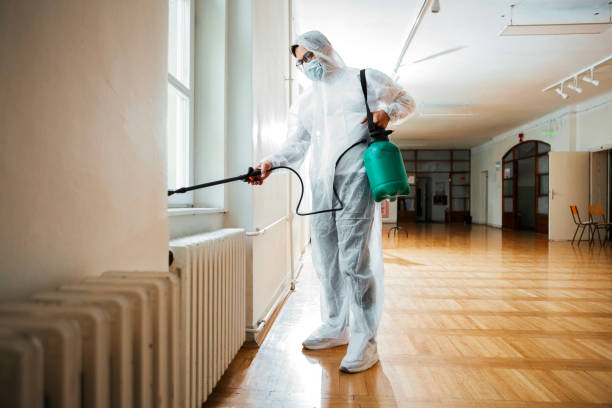
Rats: Identifying the Risks They Pose and Steps for Pest Control
Rats are among the most troublesome pests that can invade homes and businesses. Their presence not only causes structural damage but also poses significant health risks.
Risks Associated with Rats
Rats are more than just a nuisance.
- Rats are carriers of dangerous diseases such as leptospirosis, hantavirus, salmonellosis, and rat-bite fever.
- Their urine, droppings, and saliva can contaminate food and water sources, leading to illness in humans and pets.
- Rat infestations can aggravate asthma or allergies due to allergens from their fur or droppings.
- Rats have powerful teeth that allow them to gnaw through materials like wood, plastic, insulation, pipes, and electrical wiring.
- Damaged electrical wires increase the risk of fire hazards in homes or commercial buildings.
- A single pair of rats can produce hundreds of offspring annually due to their rapid breeding cycle.
- This makes addressing infestations promptly critical before they escalate further.
Steps for Effective Rat Control
- Inspection
Begin by identifying signs of infestation: - Droppings near food sources or in hidden areas such as cupboards or basements.
- Chew marks on walls, furniture, or wiring.
- Greasy rub marks along walls where rats frequently travel.
- Noises like scratching or scurrying from within walls or ceilings at night.
- Prevention
Preventive measures reduce the likelihood of rat infestations: - Seal all entry points larger than a quarter-inch using materials like steel wool or caulk.
- Keep outdoor vegetation trimmed—avoid overgrown bushes near home foundations.
- Store food in airtight containers to limit access to potential food sources.
- Regularly dispose of garbage in sealed bins.
- Trapping Methods
Trapping is an effective non-toxic solution for managing small-scale infestations:
| Trap Type | Description | Best Practices |
| Snap Traps | Quick-kill mechanism | Place along walls where rats travel |
| Live Traps | Humane option capturing rats alive | Release far from residential areas |
| Glue Boards | Sticky surface immobilizes rodents | Use sparingly; avoid dusty areas |
- Professional Pest Control Services
For extensive infestations, consult licensed pest control professionals who use advanced methods such as baiting systems or rodenticides under controlled conditions. - Regular Maintenance
After eliminating an infestation: - Continue sealing potential entry points regularly.
- Periodically inspect attics, basements, crawl spaces, and storage rooms for new activity.
- Maintain consistent sanitation practices indoors and outdoors.
Safe Handling Practices
If you encounter a rat infestation: – Wear gloves when cleaning droppings or nests to prevent direct contact with contaminants. – Disinfect affected surfaces using bleach solutions (1 part bleach to 10 parts water). – Avoid vacuuming droppings directly; instead use damp paper towels for safe disposal.
By addressing both prevention and eradication systematically while prioritizing hygiene around your property regularly maintained conditions shield against future occurrences effectively while promoting healthier living standards overall
The Impact of Termites on Your Home and How to Protect Against Them
Why Are Termites Dangerous?
Termites feed on cellulose, a primary component in wood. This behavior makes homes with wooden structures particularly vulnerable. Over time, termite activity can weaken floors, walls, ceilings, and even furniture.
– Structural Damage: Termites compromise the integrity of your home’s foundation and wooden framework.
– Expensive Repairs: Professional repairs for termite damage often cost thousands of dollars.
– Health Concerns: While termites do not spread diseases, their presence can lead to mold growth, which may cause respiratory issues for some individuals.
Signs of a Termite Infestation
Early detection is vital when dealing with termites.
– Mud Tubes: Thin tunnels made from mud often appear on walls or foundations as passageways for termites.
– Hollow Wood: Tapping on wood that sounds hollow can indicate internal termite damage.
– Discarded Wings: Swarmers (reproductive termites) shed their wings near windows or doors after mating flights.
– Frass (Droppings): Small piles that resemble sawdust may be found near wooden surfaces or entry points.
1. Prevention Tips
Preventing termites begins with reducing their access to food and moisture sources around your property: – Eliminate Moisture: Fix leaks in plumbing or air conditioning units that create damp conditions attractive to termites.Use Treated Wood: Opt for pressure-treated wood during construction projects.Keep Firewood Away: Store firewood at least 20 feet away from your home and off the ground.Seal Cracks: Regularly inspect your foundation and seal any gaps or cracks where termites might enter.Proper Ventilation: Ensure crawl spaces are well ventilated to reduce humidity levels.
2. Regular Inspections
Professional termite inspections, ideally conducted annually, help catch infestations early before significant damage occurs.
3. Chemical Treatments
Chemical barriers are an effective way to deter termite entry: | Treatment Type | Description | |—————-|—————————————————————| | Liquid Barriers| Applied around the foundation to create a protective zone | | Bait Stations | Slow-release pesticides attract termites and kill colonies |
4. Natural Remedies
For homeowners seeking non-toxic approaches: – Use diatomaceous earth around entry points as a natural deterrent. – Apply nematodes (parasitic worms) in soil to target subterranean colonies.
When to Call Professionals
If you notice substantial signs of infestation or suspect an active colony within your home, it’s best to hire a licensed pest control company specializing in termite management. They will assess the extent of damage and recommend appropriate treatment options such as fumigation or heat treatments.
Protecting your home from termite damage requires vigilance and proactive measures. By addressing risk factors early and seeking professional solutions when necessary, you can safeguard both your property value and peace of mind.
- Top Pest Problems and How an Exterminator Deltona FL Can Help
- The Ultimate Guide to Finding an Exterminator Deltona FL Services
- How Deltona Pest Control Services Ensure a Healthy Environment
- Understanding What a Deltona FL Pest Control Company Does and Why It Matters
- Top 7 Reasons Why Hiring a Deltona FL Pest Control Company Is Essential to Protect Your Home and Health
- How to Choose the Right Deltona FL Pest Control Company for Your Needs
- The Importance of Hiring an Exterminator Deltona FL for Regular Pest Inspections and Long-Term Home Protection
- What to Expect During Pest Control Treatment with an Exterminator Deltona FL