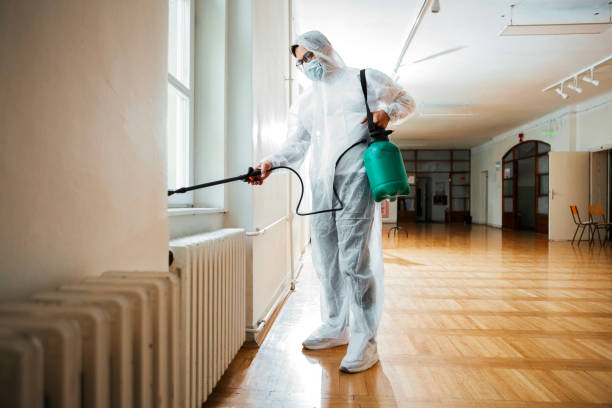
deltona fl pest control company

The Ultimate Guide to Finding an Exterminator Deltona FL Services

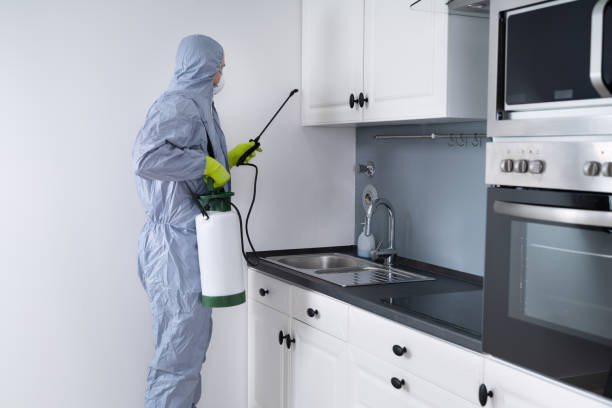
Pest Control Worker Spraying Pesticide In Kitchen stock photo
Pests can significantly disrupt homes and businesses, causing damage to property and potentially spreading diseases. Effective pest extermination services are essential for keeping your environment clean, safe, and comfortable. This guide will provide insights into what defines efficient pest control services and how to approach them.

What Are Pest Extermination Services?

Pest extermination services refer to professional interventions designed to eliminate unwanted pests such as rodents, insects, birds, or other wildlife that invade homes or workspaces. These services vary based on the type of pest and the severity of the infestation.

Key components of pest extermination typically include:
Inspection: Identifying the type of pests present and pinpointing entry points or areas of infestation.
Treatment Plan: Developing a strategy for extermination, tailored to the specific pest problem.
Extermination: Using appropriate methods such as baiting, trapping, fumigation, or chemical applications.
Prevention Measures: Implementing long-term strategies to prevent future infestations.

Why Are Professional Pest Extermination Services Important?

  1. Expert Knowledge: Trained technicians understand pest behavior and can apply targeted treatments accordingly.
  2. Access to Specialized Equipment: Professionals use advanced tools and products not readily available to consumers.
  3. Efficiency: Timely interventions can help minimize damage and risks associated with pests.
  4. Safety Standards: Licensed experts ensure compliance with safety protocols when using chemicals or traps.

Types of Pest Control Methods

Method Description Example Pests
Chemical Treatments Use of pesticides or insecticides Cockroaches, Ants
Biological Control Introducing natural predators or biological deterrents Mosquitoes
Mechanical Control Physical methods such as traps or barriers Rodents
Fumigation Sealing off areas and releasing toxins to eradicate pests Termites

Best Practices for Effective Pest Control Management

  • Regularly clean surfaces such as counters and floors to avoid attracting pests.
  • Seal cracks in walls, doors, windows, and foundations where pests might enter.
  • Store food in airtight containers to deter insects and rodents.
  • Dispose of garbage regularly in sealed bins.
  • Perform routine inspections in attics, basements, storage spaces, and other vulnerable areas.

Pest control is an ongoing process that involves expert intervention as well as preventive measures taken by residents or business owners. By understanding what constitutes effective pest extermination services and working collaboratively with professionals in this field, you can achieve a safe living or working environment free from harmful invaders such as rodents or insects.

Effective Deltona Pest Control Solutions for Your Home and Business

Professional pest control solutions are tailored services designed to eliminate and prevent infestations in residential, commercial, and industrial spaces. These solutions are not only focused on removing visible pests but also on addressing underlying issues that contribute to their presence. Below is an in-depth exploration of professional pest control options and how they work to protect your property from harmful pests.

Effective Solutions Offered by a Deltona FL Pest Control Company

  1. Use of insecticides, rodenticides, or other chemical formulations designed to target specific pests.
  2. Effective for eliminating ants, cockroaches, termites, and more.
  3. Requires proper application by licensed professionals to ensure safety for humans and pets.
  4. The introduction of natural predators or pathogens to reduce pest populations.
  5. Examples include using nematodes for soil-borne pests or predatory insects like ladybugs for aphids.
  6. Eco-friendly and sustainable solution.
  7. A comprehensive strategy that combines multiple techniques such as habitat modification, biological controls, and minimal use of chemicals.
  8. Focuses on long-term prevention rather than reactive treatments.
  9. Tailored plans based on thorough inspection and monitoring.
  10. Includes sealing cracks, installing screens or traps, and implementing structural modifications to block pest entry points.
  11. Often used as a preventive measure alongside other solutions.
  12. Involves sealing off an area and introducing fumigants to eliminate severe infestations.
  13. Typically employed for termites or bed bugs in large-scale situations like warehouses or heavily infested homes.

Effective Pest Removal Deltona, FL: The Benefits of Professional Pest Control

Benefit Description
Expert Knowledge Professionals understand pest behavior patterns and can apply targeted solutions effectively.
Long-Term Results Preventative measures reduce the chances of re-infestation over time.
Safety Assurance Licensed technicians handle chemicals safely to minimize risks to health.
Time & Cost Efficiency Saves time by addressing problems quickly while avoiding repeated DIY expenses caused by failures.

Factors That Make Pest Control Solutions Effective

  • Thorough Inspection: Initial inspection helps determine the type of pests present, level of infestation, and potential entry points or nesting areas.
  • Customized Plans: A plan tailored specifically for your property ensures efficiency by targeting problem areas directly.
  • Regular Monitoring: Ongoing assessments help track progress toward eliminating existing infestation while identifying new threats promptly.

When Should You Seek Professional Assistance?

  • Extensive structural damage caused by wood-damaging pests like termites or carpenter ants.
  • Evidence suggesting a large population (e.g., droppings in multiple areas).
  • Persistent infestations despite repeated attempts at over-the-counter remedies.

By understanding how professional pest control solutions operate—and their benefits—you can make informed decisions about safeguarding your home or business environment from harmful intrusions effectively over time without unnecessary risk

Exterminator In Spraying Pesticide In Kitchen stock photo
How to Choose the Best Pest Extermination Company for Your Needs

Selecting the right pest extermination company is critical for maintaining a safe and healthy environment in your home or business. With so many options available, it can be challenging to determine which service provider will best meet your needs. This guide outlines essential factors to consider when making your choice.

Assess the Company’s Reputation

  • Online Reviews: Check platforms such as Google, Yelp, and social media for customer feedback.
  • References: Ask friends, family, or neighbors if they have recommendations based on personal experience.
  • Certifications and Awards: Look for industry-recognized certifications or awards that indicate professionalism.

Verify Licenses and Certifications

Certification Body Description
National Pest Management Association (NPMA) Certifies companies following best practices in pest control.
State Licensing Boards Each state requires specific licenses that vary depending on local regulations.

Always verify these credentials with the appropriate regulatory body for added assurance.

Evaluate Their Services

  1. Rodents (e.g., rats, mice)
  2. Insects (e.g., ants, termites, cockroaches)
  3. Wildlife (e.g., raccoons, bats)
  4. Chemical treatments
  5. Non-toxic or eco-friendly solutions
  6. Integrated Pest Management (IPM) approaches that combine prevention and treatment
  7. Long-Term Solutions: Companies offering ongoing monitoring and prevention plans are preferable.

Compare Pricing and Transparency

  • Request detailed quotes from multiple providers.
  • Ensure pricing includes all applicable fees (e.g., initial inspection costs).
  • Beware of extremely low-cost providers; this could indicate subpar service quality.
Service Component Cost
Initial Inspection $75
Treatment Application $150-$300
Follow-Up Visits $50/visit

Check Response Time and Availability

  • Do they offer emergency services?
  • Is their customer support team available 24/7?

Quick response times often indicate a well-organized operation.

Ask About Safety Practices

  • The types of chemicals used.
  • Environmental impact of treatments.
  • Precautions taken to minimize harm during application.

Companies prioritizing safety will provide clear guidelines on preparation steps before treatments begin.

Review Warranties and Guarantees

  1. A guarantee period during which follow-up treatments are free if pests reappear.
  2. Refund policies in cases where treatment fails to resolve an issue fully.

Be sure these terms are clearly outlined in writing before agreeing to any contracts.

Choosing the best pest extermination company involves careful research and consideration of various factors like reputation, licenses, pricing transparency, safety measures, and service offerings tailored to your situation. Taking time upfront ensures you partner with a professional provider who delivers effective results while prioritizing your home’s safety and well-being over the long term.

Understanding the Importance of Reliable Pest Control Services

Reliable pest control services are essential for maintaining a clean, safe, and healthy living or working environment. Pests can cause significant health risks, structural damage, and contamination of food supplies. Understanding why dependable pest control is necessary helps homeowners and businesses make informed decisions when tackling infestations.

The Risks Associated with Pest Infestations

  1. Disease Transmission: Pests like rats and mosquitoes carry diseases such as salmonella, hantavirus, Lyme disease, and malaria.
  2. Allergic Reactions: Cockroach droppings or dust mites can trigger allergies or asthma in sensitive individuals.
  3. Bacterial Contamination: Flies and ants can spread bacteria by contaminating food surfaces.
  4. Structural Damage: Termites can weaken wooden structures such as beams and floors.
  5. Electrical Hazards: Rodents may chew through wiring, increasing fire risks.
  6. Fabric Destruction: Moths can ruin carpets, curtains, clothing, and upholstery.
  7. Food waste due to pest contamination in homes or businesses.
  8. Costly repairs to damaged property caused by termites or rodents.

Why Dependable Pest Control Services Are Crucial

  • Thorough Inspection & Identification of Pests: Experts conduct detailed assessments to identify the type of infestation accurately—this ensures that treatments are specifically targeted.
  • Safe Application of Chemicals & Methods: Professionals use EPA-approved solutions that are safe for humans but potent against pests.
  • Long-Term Prevention Measures: Besides addressing current issues, experts often seal entry points or offer advice on how to prevent future infestations.

Key Benefits of Reliable Pest Control

Benefit Category Description
Health Protection Reduces exposure to diseases carried by pests
Enhanced Comfort Eliminates nuisances (e.g., constant buzzing insects) that disrupt daily life
Financial Savings Prevents costly property damage; avoids repeated DIY expenses
Peace of Mind Assurance that the problem is professionally handled

Exterminator Spraying Pesticide In Kitchen stock photo
What Makes a Pest Control Service Reliable?

  • Licenses and certifications proving their expertise.
  • Positive customer reviews indicating consistent quality work.
  • Transparent pricing without hidden fees.
  • Use of eco-friendly products for minimal environmental impact.

By understanding the necessity of reliable pest control services and selecting the right professional partner, you can protect your home from unwanted intrusions while safeguarding health and property in the long term.

Top Strategies for Handling Common Household Pests Effectively

Pests can quickly turn your home into an uncomfortable and unsanitary environment, making it essential to address infestations promptly. Understanding the most effective strategies for tackling common household pests ensures that you can maintain a safe and healthy living space. Below are actionable approaches to deal with some of the most frequent pest problems.

1. Ants: Preventing Trails and Colonies

  • Keep Surfaces Clean: Wipe down counters, tables, and other surfaces to remove food crumbs or spills that attract ants.
  • Seal Entry Points: Use caulk or weatherstripping to close gaps around windows, doors, and foundation cracks.
  • Use Natural Deterrents: Sprinkle cinnamon or vinegar along ant trails to disrupt their scent trails.
  • Apply Baits: Place ant bait stations near areas of activity to target the colony directly.
Ant Control Strategy Description
Cleaning surfaces Eliminates ant food sources
Sealing entry points Prevents ants from gaining indoor access
Natural deterrents Non-toxic way to disrupt scent trails
Bait traps Targets the source by eliminating colonies

2. Cockroaches: Eliminating These Resilient Pests

  • Remove Clutter: Minimize hiding spots by reducing stackable items like magazines and cardboard boxes.
  • Fix Leaks: Address plumbing issues since cockroaches are attracted to moisture.
  • Use Roach Traps: Sticky traps or bait gels can help reduce their population over time.
  • Regular Cleaning: Vacuuming crumbs, grease buildup on stovetops, and under appliances can limit food sources.

3. Rodents: Mice and Rat Control

  • Droppings near food storage
  • Gnaw marks on furniture or wires
  • Noises in walls during nighttime hours
  • Block Entry Holes: Seal holes larger than a quarter-inch using steel wool or hardware cloth.
  • Snap traps for immediate results
  • Live traps for humane options

4. Bed Bugs: Addressing Infestations Quickly

  • Wash all linens at high heat
    -Repetitive inspections

The Benefits of Hiring Expert Pest Exterminators for Long-Term Results

1. Customized Pest Control Solutions

Professional exterminators understand that each pest infestation is different and requires a tailored approach. They assess your property, identify the type and extent of the infestation, and create a customized treatment plan to address the issue effectively. Common strategies include:
Targeted Treatment Plans: Professionals use methods specifically designed for the pest species in question, ensuring effective eradication without unnecessary treatments.
Preventative Measures: Experts incorporate preventative measures into their plan to minimize the risk of future infestations.

2. Use of Advanced Tools and Techniques

DIY methods often rely on over-the-counter products that may not be effective against stubborn infestations. Professional exterminators have access to advanced tools and industry-grade pesticides that deliver better results while maintaining safety standards:
Specialized Equipment: Modern techniques such as heat treatments or fumigation are often necessary for severe cases like bed bugs or termites.
Eco-Friendly Options: Many companies now offer environmentally friendly pest control options to protect your family, pets, and the surrounding environment.

DIY Approach Professional Services
Limited product effectiveness Advanced tools & technologies
No training in safe application Licensed application protocols
Short-term fixes Long-term prevention

3. Time and Cost Efficiency

While hiring a professional may seem costly initially, it can save you significant time and money in the long run:
Quick Resolution: Experts can resolve pest issues faster than DIY attempts by using targeted methods from the start. – Avoiding Repeat Infestations: By addressing root causes, professionals help ensure the problem doesn’t reoccur, preventing additional expenses down the line.

4. Proper Identification and Knowledge of Pest Behavior

Misidentifying a pest species can lead to ineffective treatments or even worsen an infestation. Trained exterminators have extensive knowledge of pest biology and behavior:
Accurate Identification: Professionals can distinguish between species (e.g., carpenter ants vs regular ants) to provide appropriate solutions. – Behavioral Insights: Experts understand how pests breed, feed, and spread through your property.

5. Health Benefits for Your Family or Employees

Pests like rodents, cockroaches, or flies carry harmful pathogens that pose serious health risks if left untreated:
Reduced Exposure to Diseases: Professional treatments reduce contact with disease-carrying pests such as ticks or mosquitoes. – Minimized Chemical Risks: Professionals use controlled amounts of pesticides in appropriate locations to ensure safety during treatment.

6. Guaranteed Results with Follow-Up Services

Many reputable extermination companies offer guarantees for their services along with follow-up visits when needed:
– Regular inspections post-treatment help monitor effectiveness. – Warranties ensure peace of mind knowing the issue will be addressed thoroughly.

By working with expert pest exterminators who bring knowledge, experience, and professional-grade solutions to the table, you ensure both immediate relief from pests and long-term protection for your property’s integrity—without compromising on safety or efficiency.

Key Signs You Need Immediate Professional Pest Control Assistance

Pests are not just an inconvenience; they can pose serious health risks, structural damage, and financial burdens if left unchecked. Recognizing the signs of a pest infestation early is crucial to preventing it from escalating. Below are the key indicators that it’s time to seek immediate professional pest control assistance.

1. Evidence of Pest Droppings or Shed Body Parts

  • Rodents: Small, dark droppings resembling grains of rice are a common sign of rodents like mice or rats.
  • Insects: Look for insect wings, shell casings, or shed skin in corners, basements, or near windows.
  • Feces Trails: Cockroaches and other pests often leave fecal matter along their trails.

The presence of droppings or body parts is an unmistakable indicator that pests have infiltrated your property.

2. Unexplained Property Damage

When pests invade, they often leave noticeable damage behind: – Chewed Wires: Rodents frequently gnaw on electrical wiring, increasing fire hazards. – Gnawed Furniture: Find bite marks on wooden furniture or baseboards? It might be termites or rodents. – Holes in Walls/Floors: Some pests create small entry points into homes by burrowing through surfaces.

If you spot these signs without an obvious explanation, it’s likely time for professional intervention.

3. Strange Sounds and Smells

Pests may reveal their presence through auditory and olfactory cues: – Noises: Scratching sounds in walls, ceilings, or attics during nighttime can indicate rodent activity. – Odors: A persistent musty smell could be caused by cockroach infestations or animal waste buildup from pests like mice.

These subtle sensory cues should never be ignored as they typically signal ongoing pest activity.

4. Structural Damage to Your Home

Some pests cause significant harm to your property’s structural integrity: | Pest Type | Potential Damage | |——————|——————————————| | Termites | Compromised wood structures | | Carpenter ants | Hollowed-out wooden areas | | Powderpost beetles | Weakening of wooden beams |

Keep an eye out for sagging floors, hollow-sounding wood panels, or cracked paint as these could indicate significant infestations requiring immediate attention.

5. Bite Marks on Skin

If you or your family members notice unexplained bites that cause itching or discomfort: – Bedbugs may be responsible for bites occurring at night along exposed skin areas. – Fleas can also leave small itchy welts around ankles and legs if you have pets.

Repeated bite incidents should prompt a professional inspection to identify the source promptly.

6. Increase in Pest Sightings

Spotted a cockroach scurrying across the kitchen floor? Seen ants congregating near food? While occasional sightings may not feel alarming, frequent appearances suggest larger nests lurking unseen within walls or hidden spaces—a situation best handled by experts before numbers grow unmanageable.

By acting promptly when these signs arise, you can mitigate damage and health risks caused by infestations effectively through skilled pest control services. Early detection leads to quicker resolution and long-term peace of mind.

Step-by-Step Guide to Achieving a Pest-Free Home Environment

Creating a pest-free home environment requires a systematic approach to identify, eliminate, and prevent pests from taking up residence in your space. Below is a detailed step-by-step guide that outlines the key practices for achieving and maintaining a pest-free home.

Step 1: Conduct a Thorough Inspection

The first step in achieving a pest-free home is identifying the source of the problem. A thorough inspection will help you determine where pests are entering and nesting.

  • Check for Entry Points: Inspect windows, doors, vents, and utility pipes for gaps or cracks that may allow pests to enter.
  • Examine High-Risk Areas: Look in dark, damp spaces such as basements, crawl spaces, attics, and under sinks—these are common hiding spots for pests.
  • Monitor for Indicators: Look out for signs such as droppings, damaged food packaging, gnaw marks on furniture or walls, nests made of shredded material, or strange odors.

Step 2: Eliminate Current Infestations

Once you’ve identified the problem areas, it’s time to eliminate existing infestations. Depending on the type of pest you are dealing with, different methods may be required.

  • Use Traps and Baits: Traps can target rodents effectively while baits work well against ants and cockroaches. Place these near high-activity zones noted during your inspection.
  • Apply Pesticides Cautiously: Use chemical treatments only when necessary and ensure they are applied safely according to product instructions.
  • Natural Remedies: For those preferring non-toxic options:
  • Sprinkle diatomaceous earth around areas prone to insect activity (works well against fleas and ants).
  • Use essential oils like peppermint or eucalyptus to repel spiders and certain insects.
Pest Type Suggested Solution Notes
Ants Bait traps or boric acid Seal off entry points.
Rodents Snap traps or humane live traps Remove potential food sources.
Cockroaches Gel baits and sticky traps Maintain cleanliness in kitchens.
Termites Professional treatment recommended Avoid DIY approaches here.

Step 3: Implement Preventive Measures

After addressing active infestations, prevention is key in ensuring they do not return.

  1. Seal Cracks and Gaps: Use caulk or weatherstripping to close off any openings around windows, doors, foundations, or utility lines.
  2. Maintain Cleanliness: Clean up crumbs immediately after meals; avoid leaving pet food out overnight; wipe down surfaces regularly.
  3. Store Food Properly: Keep dry goods in sealed containers instead of their original packaging.
  4. Control Moisture Levels: Repair leaky pipes quickly; use dehumidifiers if necessary; ensure proper drainage around your property.
  5. Regular Landscaping Maintenance: Trim back overgrown bushes near the house; keep firewood stored above ground and away from walls.

Step 4: Monitor Your Home Continuously

Pest control is an ongoing process rather than a one-time effort.

  • Schedule regular inspections (every 3–6 months) even if there are no visible signs of an infestation.
  • Consider installing monitoring tools like motion sensors designed specifically for rodent detection.
  • Stay informed about seasonal pest risks common in your area (e.g., ants during summer months).

Achieving lasting results requires patience combined with preventative strategies tailored specifically towards your household’s unique needs—whether through DIY efforts or professional assistance when appropriate.

How Deltona Pest Control Services Ensure a Healthy Environment

Exterminator working

Pest control services are designed to manage, reduce, or eliminate pests that can harm human health, damage property, or negatively impact the environment. These services play a critical role in maintaining hygiene and preventing the spread of diseases caused by pests such as rodents, insects, and other unwanted organisms.

What Do Pest Control Services Entail?

  • Inspection: A thorough assessment of the property to locate the source and extent of pest infestations.
  • Identification: Determining the type of pest species present to tailor appropriate solutions.
  • Treatment Plan: Developing a targeted approach using chemical or non-chemical methods to eradicate pests effectively.
  • Ongoing Monitoring: Regular follow-ups to ensure long-term success and prevent re-infestation.

The Need for Pest Control in a Healthy Environment

  1. Prevent Health Risks: Pests often carry harmful pathogens that cause diseases such as salmonella, Lyme disease, malaria, or hantavirus. Proactive pest control reduces exposure to these risks.
  2. Protect Food Supplies: Infestations by pests like cockroaches and rats can contaminate food storage areas, leading to waste and potential health hazards.
  3. Preserve Property Integrity: Termites, carpenter ants, and other pests can damage wood structures or electrical wiring in homes and businesses.
  4. Support Ecological Balance: Excessive use of pesticides without professional guidance may harm beneficial species or disrupt natural ecosystems.

Types of Pests Commonly Targeted

Type of Pest Examples Associated Risks
Insects Ants, termites, cockroaches Structural damage; disease transmission
Rodents Rats, mice Food contamination; spread of illnesses
Wildlife Bats, raccoons Property destruction; zoonotic diseases
Stinging Insects Wasps, bees Painful stings; allergic reactions

Sustainable Pest Management Practices

  • Use of biological controls like introducing natural predators.
  • Implementation of Integrated Pest Management (IPM) strategies combining cultural practices with minimal pesticide use.
  • Education on preventive measures such as sealing cracks or improving sanitation.

By adopting sustainable methods alongside professional expertise, achieving effective pest management becomes less intrusive while protecting both human health and biodiversity.

Pest control services are more than just about eliminating visible nuisances—they contribute significantly toward creating a healthier living space while ensuring environmental sustainability.

Effective Pest Management Tips from a Trusted Exterminator Deltona FL

Pest management is a critical aspect of maintaining a safe, healthy, and comfortable living environment. Uncontrolled pest infestations can lead to significant health risks, structural damage, and financial losses. By understanding the importance of pest management, homeowners can make informed decisions to protect their property and loved ones effectively.

Risks Associated with Poor Pest Management

  • Health Hazards:
    Many pests, such as rodents, cockroaches, and mosquitoes, carry harmful pathogens that can cause diseases like salmonella, Lyme disease, malaria, or allergic reactions.
  • Structural Damage:
    Termites and carpenter ants are notorious for causing damage to wooden structures. Over time, they can compromise the integrity of your home.
  • Contamination of Food Supplies:
    Pests such as rodents and insects often invade food storage areas. Their presence can lead to food contamination and wastage.
  • Emotional Stress:
    Dealing with persistent infestations can create stress and anxiety for homeowners due to constant disruptions or fear of encountering pests.

Benefits of Proper Pest Management

  1. Improved Health Standards
    By eliminating disease-carrying pests from your home, you reduce the risk of illnesses spreading amongst family members.
  2. Preservation of Property Value
    Regular pest inspections help prevent structural degradation caused by termites or other destructive pests. This proactive approach supports long-term property value retention.
  3. Cost Savings in the Long Run
    Addressing minor infestations early prevents costly repairs or extensive treatments down the line.
  4. Enhanced Comfort Levels
    A pest-free home provides peace of mind and allows families to enjoy their space without unwanted intrusions.
  5. Environmental Protection Through Sustainable Practices
    Modern pest control solutions focus on eco-friendly strategies that minimize environmental impact while effectively managing infestations.

DIY vs Professional Pest Management: What You Need to Know

Aspect DIY Methods Professional Services
Expertise Level Limited knowledge Extensive training & experience
Effectiveness May only address visible symptoms Comprehensive solutions targeting root causes
Safety Risk of misuse with chemicals Safe application following regulations
Long-Term Results Short-term fixes Reliable and long-lasting outcomes

Factors Influencing Pest Infestations at Home

  • Cluttered Spaces: Provide hiding spots for pests like spiders or rodents.
  • Food Sources Left Unsecured: Easily accessible food attracts ants or cockroaches.
  • Moisture Build-up: Leaking pipes or standing water invite termites, mosquitoes, and mold growth.
  • Open Entry Points: Cracks in walls or poorly sealed doors/windows allow easy access for insects.

By addressing these factors proactively alongside implementing effective pest control strategies, you significantly reduce the likelihood of future infestations.

Maintaining an effective pest management routine ensures a safer living environment while protecting both your household’s health and property investment over time.

Discover the Advantages of Choosing a Deltona FL Pest Control Company for Effective Results

Pest infestations, whether in residential or commercial settings, can cause significant damage to property, pose health risks, and disrupt daily life. While DIY pest control methods are often the first line of defense, they may not always provide long-lasting or effective results. This is where professional pest control services come into play. Below, we explore the key benefits of hiring experts in pest management to ensure a pest-free environment.

Expertise and Knowledge

  • Accurately assess an infestation.
  • Determine the root cause of the problem.
  • Recommend targeted treatments rather than one-size-fits-all solutions.
Pest Type Common Cause Professional Solution
Termites Moisture or wood structures Termite bait systems, chemical treatments
Rodents Unsealed entry points Sealing gaps, bait stations
Bed bugs Travel or second-hand items Heat treatments or specialized insecticides

Customized Treatment Plans

  • The type of pests present.
  • The severity of the infestation.
  • Environmental factors in your home or business.

Custom solutions ensure efficiency while minimizing unnecessary chemical usage.

Use of Advanced Equipment and Safe Methods

  • They employ eco-friendly products that are safe for children, pets, and surrounding ecosystems.
  • Proper dosages are applied to avoid overuse of chemicals.

This ensures not only effective elimination but also long-term prevention without compromising safety.

Saves Time and Money

  1. Repeated purchases of pesticides or traps.
  2. Damage caused by unchecked infestations (e.g., structural damage from termites).

Hiring a professional team provides a one-time solution that saves both time and money in the long run.

Reduces Health Risks

Pests such as rodents, cockroaches, mosquitoes, and bed bugs are known carriers of diseases like salmonella, hantavirus, dengue fever, and more. Improper handling during DIY efforts can increase exposure risks. Professional services mitigate these risks by ensuring pests are eradicated effectively through controlled processes.

Ongoing Monitoring and Prevention

  • Sealing cracks or crevices.
  • Installing barriers around vulnerable areas.
  • Educating homeowners on proper sanitation practices.

This proactive approach helps maintain long-term protection against pests.

By hiring professional pest control services, you gain access to expert knowledge, advanced tools, customized plans, and ongoing support—all essential components for achieving effective results in managing pests efficiently while safeguarding your property and health.

Exterminator Worker Spraying Insecticide Chemical
Reliable and Long-Lasting Pest Removal Deltona, FL: Why You Should Rely on Professionals

Pest infestations can create significant problems for homes and businesses, from property damage to health risks. While it might seem tempting to address pest issues on your own, relying on professionals for pest control offers long-lasting and effective solutions that are difficult to achieve with DIY methods. Here’s why turning to experts is the best approach.

Expertise and Training

  • Accurately assess the extent of an infestation.
  • Identify the root cause of the problem.
  • Develop a targeted treatment plan tailored to specific pest species.

For example, treating termites requires a completely different approach than dealing with rodents or bed bugs. Professionals ensure that treatments are precise, minimizing waste while maximizing effectiveness.

Use of Advanced Tools and Technology

Tool/Technology Purpose
Thermal imaging cameras Detecting pests hidden within walls or floors
Baiting systems Effectively eliminating pests like termites
HEPA vacuums Safely removing allergens caused by pests

By using advanced equipment, professionals can tackle infestations efficiently without causing further disruption or damage.

Safer Methods and Eco-Friendly Solutions

  • Using regulated pesticides in appropriate amounts.
  • Offering eco-friendly options whenever possible.
  • Ensuring treatments comply with local environmental regulations.

This careful approach minimizes hazards while delivering effective results.

Custom Treatment Plans

  • The type of pests involved.
  • The size of the property.
  • The severity of the infestation.

These tailored strategies ensure long-term prevention by targeting both current infestations and potential future risks.

Time-Saving and Cost-Efficiency

  • Quick identification of problems.
  • Comprehensive treatment applications.
  • Preventive measures to avoid re-infestation.

This reduces overall costs associated with property repairs or medical expenses caused by pest-related health issues.

Compliance with Legal Standards

For commercial properties especially, maintaining compliance with health codes and regulations is critical. Professional pest control services help ensure your business adheres to these guidelines by providing proper documentation of treatments performed.

Final Thoughts

Relying on professional pest control services provides reliable solutions backed by expertise, advanced tools, eco-friendly practices, and legal compliance. Whether for residential or commercial needs, investing in professional assistance ensures thorough eradication while safeguarding your property, health, and peace of mind.

Comprehensive Pest Control Services Tailored for Both Residential and Commercial Needs

Pests can pose a significant threat to both residential and commercial properties. From causing structural damage to spreading diseases, the presence of pests can negatively impact health, safety, and overall well-being. Comprehensive pest control services are essential in addressing these concerns effectively by catering to the specific needs of homes and businesses.

Residential Pest Control Services

Residential spaces are often vulnerable to a variety of pests such as ants, termites, cockroaches, rodents, and bed bugs. These pests not only disrupt daily life but can also compromise the safety of your family. Tailored residential pest control services focus on ensuring a healthy living environment while preventing future infestations.

  • Inspection and Assessment: Identifying pest types and areas of infestation within the home.
  • Customized Treatment Plans: Using safe techniques and products suitable for households with children or pets.
  • Preventive Measures: Sealing entry points, providing guidance on hygiene practices, and implementing deterrent solutions.
  • Follow-Up Services: Ensuring long-term results by monitoring progress and re-treating if necessary.

Commercial Pest Control Services

For businesses, pest issues can lead to reputational damage, financial losses, and health code violations. Industries such as food service, hospitality, healthcare, retail, and manufacturing require specialized pest management strategies to meet regulatory compliance standards while maintaining customer trust.

  • Integrated Pest Management (IPM): Combining preventive tactics with environmentally responsible treatments for sustainable outcomes.
  • Food establishments: Focus on controlling flies, rodents, cockroaches.
  • Warehouses: Targeting pests like moths or beetles that damage stored goods.
  • Offices: Addressing ants or rodents that could compromise workspaces.
  • Discreet Service Delivery: Minimizing disruption or visibility during business operations through after-hours treatments or unmarked service vehicles.
Service Type Key Focus Areas Common Pests Targeted
Residential Homes & Apartments Ants, Termites, Bed Bugs
Commercial Offices & Businesses Rodents, Cockroaches
Industry-Specific Food & Healthcare Sector Flies & Stored Product Pests

Why Choose Comprehensive Pest Control?

  • You save time by addressing issues efficiently without trial-and-error methods.
  • Health risks associated with DIY pesticide misuse are minimized.
  • Long-term preventive measures reduce recurring costs over time.

Choosing comprehensive solutions tailored for residential or commercial needs guarantees peace of mind while safeguarding property integrity and human health alike.

Exploring the Vital Role of Pest Control in Safeguarding Your Property and Health

Pests are more than just an inconvenience; they pose significant risks to both your property and your health. Effective pest control plays a critical role in minimizing these risks and maintaining a safe, comfortable living or working environment. In this article, we’ll delve into the ways pest control protects your space while highlighting its importance for overall well-being.

Protecting Your Property from Damage

  • Early Detection: Regular inspections by professionals identify pest problems before they escalate into costly repairs.
  • Targeted Treatments: Tailored solutions eliminate existing infestations effectively while preventing future occurrences.
  • Preventative Measures: Pest control services often include sealing cracks, removing potential nesting sites, and other actions to deter pests from entering your property.

The financial cost of repairing structural damage caused by pests often outweighs the investment in regular pest control services. Taking proactive measures is essential to protecting the long-term value of your property.

Preserving Health Through Effective Pest Management

Pest Type Potential Health Risks
Rodents Spread diseases like hantavirus and leptospirosis
Cockroaches Trigger asthma and allergies
Mosquitoes Transmit malaria, dengue fever, and Zika virus
Bed Bugs Cause skin irritation and sleep disruption

Professional pest control tackles these threats by not only removing pests but also addressing underlying conditions such as moisture buildup or improperly stored food that attract them in the first place.

Comprehensive Approach for Long-Term Safety

  1. Inspection & Assessment: Identifying problem areas such as entry points or breeding grounds.
  2. Customized Solutions: Using eco-friendly treatments whenever possible while targeting specific pests.
  3. Monitoring & Maintenance: Ongoing services to prevent reinfestation over time.

By combining prevention with personalized treatment plans, professionals ensure a healthier indoor environment free from harmful intrusions.

Conclusion on the Role of Pest Control

Pest control is indispensable when it comes to protecting both physical spaces and human health. Beyond merely eliminating nuisances, ongoing management ensures reduced exposure to diseases while safeguarding investments in property maintenance over time—a crucial step toward fostering a safe environment for families or businesses alike.

Understanding What a Deltona FL Pest Control Company Does and Why It Matters

Exterminator working

Pest control is the management and regulation of species classified as pests, which are organisms that adversely affect human activities, agriculture, or living conditions. These organisms can include insects, rodents, birds, and even microorganisms like fungi and bacteria. Pest control goes beyond merely removing unwanted creatures; it involves an intricate process of prevention, identification, eradication, and ongoing monitoring to ensure the problem doesn’t persist.

Why Pest Control is Essential

  1. Protects Health:
    Pests can carry diseases harmful to humans and pets. For example:
  2. Rodents may spread hantavirus or leptospirosis.
  3. Cockroaches contribute to allergies and asthma symptoms in sensitive individuals.
  4. Mosquitoes are known vectors for diseases like malaria, dengue fever, and the Zika virus.
  5. Preserves Property:
    Certain pests can cause extensive damage to homes or buildings:
  6. Termites can compromise the structural integrity of wooden structures.
  7. Rodents chew wiring and insulation, increasing fire risks.
  8. Carpenter ants hollow out wood to build their nests.
  9. Prevents Financial Losses:
    Pests can lead to costly repairs in homes or disruptions in businesses such as restaurants or food storage facilities. For example:
    | Pest | Potential Damage | Estimated Cost (USD) |
    |————–|——————————-|————————–|
    | Termites | Structural wood damage | $3,000–$8,000 annually |
    | Rodents | Electrical wiring damage | $500–$2,500 per repair |
  10. Supports Public Safety:
    Proper pest control reduces potential hazards caused by venomous creatures like spiders or stinging insects such as wasps.

Integrated Pest Management (IPM): A Holistic Approach

  • Biological Control: Using natural predators (e.g., ladybugs for aphid infestations).
  • Mechanical Control: Installing barriers like screens or traps to prevent entry into buildings or crops.
  • Cultural Practices: Keeping food sealed and maintaining clean environments to remove sources of attraction for pests.
  • Chemical Solutions: Using targeted pesticides only when absolutely necessary.

By combining these techniques strategically based on specific circumstances, IPM ensures effective management with minimal ecological disruption.

Modern Challenges in Pest Control

The importance of pest control continues to grow due to modern challenges such as urbanization and climate change: – Urban areas provide abundant food sources and shelter for pests. – Warmer climates encourage faster reproduction cycles for many pest species.

Understanding what pest control truly encompasses highlights its value not just as a means of exterminating nuisances but as a critical component of public health protection, property preservation, and environmental stewardship.

Exploring Deltona Pest Control Services and Their Different Types

Pest control services play an essential role in maintaining a healthy and safe environment. Understanding the various types of pest control methods can help you make informed decisions about managing infestations effectively. The choice of service often depends on the type of pest, the severity of infestation, and the nature of your property. Below is an overview of the primary pest control services available.

Chemical Pest Control

  • Quick and effective at controlling large infestations.
  • Can target specific pests with tailored solutions.
  • Potential risk to pets, humans, and beneficial insects if not applied correctly.
  • Often requires professional expertise for safe handling.

Some examples include sprays for termites, baits for rodents, and residual treatment for cockroaches.

Biological Pest Control

This eco-friendly method relies on natural predators, pathogens, or parasites to manage pest populations. It is especially popular in agricultural settings but can also be used in residential areas.

  • Ladybugs to control aphids.
  • Parasitic wasps for caterpillars.
  • Nematodes for soil-dwelling pests.

Biological control is sustainable and minimizes chemical usage but may take longer to show results compared to chemical treatments.

Mechanical Pest Control

  • Traps: Effective against rodents, such as snap traps or glue traps.
  • Barriers: Screens or netting prevent insects from entering spaces.
  • Manual Removal: Physically removing visible pests like snails or weeds.

While mechanical methods are low-risk and non-toxic, they may not suffice for widespread infestations.

Integrated Pest Management (IPM)

IPM combines multiple strategies tailored to minimize environmental impact while addressing pest issues effectively. This method emphasizes prevention, monitoring, and targeted treatments rather than blanket applications of chemicals.

Steps Description
Prevention Sealing entry points, maintaining hygiene.
Monitoring Regular inspections to assess infestation levels.
Decision-Making Using data-driven approaches to treat conditions only when necessary.

IPM offers a balanced approach but requires expertise in understanding pest behavior patterns.

Electronic Pest Control

Advancements in technology have introduced electronic solutions that deter certain types of pests without chemicals or traps. These devices typically rely on ultrasonic sound waves that are inaudible to humans but irritating to pests like rodents and insects.

Benefits include: – Non-toxic method suitable for homes with children and pets. – Low-maintenance solution with extended usability over time.

However, effectiveness may vary depending on factors like device placement and species targeted.

Choosing the appropriate type of pest control service depends on various factors such as safety considerations, environmental concerns, cost-effectiveness, and personal preferences. A combination of these methods is often recommended for comprehensive protection against different types of pests while minimizing risks associated with single-method dependency.
Exterminator Spraying Pesticide In Kitchen

Comprehensive Guide to Pest Removal Deltona, FL: Services and Solutions

Effective pest control services come in various forms, each designed to address specific problems and ensure long-term prevention. Understanding the types of pest control services available can help you choose the most appropriate solution for your home or business. Below is a comprehensive overview of the main pest control methods and their applications.

Chemical Pest Control

Chemical pest control involves the use of pesticides to eliminate pests such as insects, rodents, or fungi. These chemicals are specially formulated to target specific pests while minimizing harm to humans and pets when used correctly by licensed professionals.

Common chemical treatments include:
Insecticides: For insects like ants, cockroaches, and termites.
Rodenticides: Designed specifically to manage rodent populations like rats and mice.
Fungicides: Useful for mold or mildew-related issues often caused by moisture problems.

Chemical treatments are typically fast-acting but may require precautions such as vacating treated areas temporarily.

Biological Pest Control

Biological pest control leverages natural predators or parasites to manage pest populations without relying on synthetic chemicals. It’s an eco-friendly option often used in agricultural settings but can also be applied in residential environments.

Examples include:
– Introducing ladybugs to manage aphids on plants.
– Using nematodes (microscopic worms) to combat soil-based pests like grubs.
– Employing parasitoid wasps to target caterpillar infestations.

This method is highly sustainable, though it may take longer than chemical approaches to see results.

Physical Pest Control

Physical pest control focuses on mechanical means of removing or blocking pests from entering your property. This option is particularly useful for preventing future infestations.

Key physical methods include:
Traps: Such as glue traps for insects or snap traps for rodents. – Barriers and Seals: Using caulk, mesh screens, and door sweeps to block entry points. – Manual Removal: Physically removing visible pests (e.g., using vacuums for bed bugs).

Physical methods are ideal for smaller infestations and preventive strategies.

Integrated Pest Management (IPM)

Integrated Pest Management combines multiple techniques into a comprehensive strategy tailored to specific needs. This method emphasizes long-term prevention through monitoring, biological controls, physical barriers, and limited chemical usage when necessary.

Steps within an IPM approach typically include:
1. Inspection: Identifying problem areas and assessing pest severity. 2. Monitoring: Regularly observing changes in pest activity over time. 3. Prevention: Addressing environmental conditions that attract pests. 4. Treatment: Applying targeted interventions with minimal risks.

IPM offers a balanced solution that reduces environmental impact while ensuring effective results.

Heat Treatments

Heat treatments involve raising the temperature in a targeted area high enough to kill pests at all life stages—eggs, larvae, nymphs, and adults—without using chemicals.

This method is commonly used for: – Bed bug eradication – Wood-boring insect infestations

Heat treatments require specialized equipment but offer a chemical-free alternative with immediate results.

Type of Service Methodology Ideal For Example Pests
Chemical Control Use of pesticides Rapid elimination Ants, termites, rodents
Biological Control Leveraging natural predators Long-term eco-friendly solutions Aphids, caterpillars
Physical Control Mechanical removal/blocking access Preventive strategies Rodents, flies
Integrated Pest Management (IPM) Multi-faceted approach Customized long-term plans Varied
Heat Treatments High-temperature application Immediate results without chemicals Bed bugs

By understanding these options thoroughly and aligning them with your needs, you can select the right service type that suits your situation effectively while prioritizing safety and sustainability where possible.

How the Location of Pests Influences Effective Treatment Strategies

The location of pests plays a crucial role in determining the most effective treatment strategies to eliminate them. Different pests thrive in specific environments, and understanding their preferred habitats can help tailor targeted solutions that are both efficient and long-lasting.

Common Pest Locations and Their Challenges

  • Attractants: Food crumbs, improperly stored goods, moisture from sinks or appliances.
  • Common pests: Ants, cockroaches, pantry moths, rodents.
  • Challenges: Ensuring food safety while eradicating infestations.
  • Attractants: Humidity, standing water in pipes or drains.
  • Common pests: Silverfish, cockroaches, drain flies.
  • Challenges: Pests thrive in damp environments that are difficult to keep dry.
  • Attractants: Warmth during colder months, nesting materials like insulation.
  • Common pests: Rodents (mice/rats), bats, termites.
  • Challenges: Limited accessibility makes pest control treatments harder to apply.
  • Attractants: Plants for feeding or nesting sites.
  • Common pests: Mosquitoes, aphids, ticks, moles.
  • Challenges: Preventing reinfestation after treatment due to open spaces.

Adapting Treatments Based on Locations

Pest Location Recommended Control Methods Additional Considerations
Indoor Spaces Use bait stations or traps for localized infestations; targeted insecticide sprays for direct contact with pests. Regular sanitation is critical to prevent reinfestation.
Hidden Crevices Apply gels or dust treatments that penetrate cracks and crevices. Ensure all entry points are sealed post-treatment.
Outdoor Areas Utilize perimeter sprays or eco-friendly repellents; treat standing water with mosquito dunks if applicable. Landscaping modifications may be needed (e.g., trimming shrubs).

Why Location-Specific Strategies Matter

  1. Customized Solutions Are More Efficient – By focusing on pest behaviors tied to specific locations (e.g., rodents nesting in attics), treatments can directly address the root cause rather than just symptoms.
  2. Minimizing Environmental Impact – Avoiding blanket pesticide use across an entire property helps reduce unnecessary chemical exposure.
  3. Preventing Spread – Targeted treatments ensure that infestations do not migrate from one location to another within your home or business.

Proactive Steps for Homeowners

  • Regularly inspect problem-prone areas like attics or under sinks.
  • Seal gaps around windows and doors where pests might gain entry.
  • Remove clutter in storage spaces where insects or rodents could hide.
  • Invest in dehumidifiers in areas prone to excess moisture such as basements.

By considering the specific location of an infestation as part of your strategy, you can achieve more effective outcomes while reducing potential risks associated with overgeneralized approaches to pest control management.

Key Factors to Consider When Choosing an Exterminator Deltona FL Service

Licensing and Certification

Ensure the company holds the necessary licenses and certifications required in your area. Proper licensing indicates that the service complies with local regulations and employs trained professionals. Look for certifications such as:
– National Pest Management Association (NPMA) QualityPro certification
– State-issued pesticide applicator licenses
– Specialty training or certifications for specific pests (e.g., termites or bed bugs)

These credentials demonstrate proficiency and adherence to industry standards.

Experience and Expertise

A company’s experience in handling similar pest problems is vital. Ask about their history with the specific pests you’re dealing with—whether it’s rodents, termites, or insects—and how often they encounter these issues. Companies with years of expertise are likely better equipped to identify effective treatments quickly.

Range of Services Offered

Service Type Example Situations
General Pest Control Ants, cockroaches, spiders
Specialized Treatments Termite control, bed bug eradication
Wildlife Management Rodents, squirrels
Preventive Services Quarterly treatments, sealing entry points

If you need ongoing maintenance or preventive care, look for companies that offer service plans.

Environmental Responsibility

The methods used by pest control companies can have environmental implications. Many providers now focus on eco-friendly practices and Integrated Pest Management (IPM) strategies that minimize chemical use. Ask about:
– Low-toxicity products safe for humans and pets
– Sustainable practices such as habitat modification
– Alternatives to traditional pesticide applications

This ensures both effective treatment and reduced environmental impact.

Transparent Pricing

Obtain detailed quotes from multiple providers before making a decision. Reputable companies should clearly outline costs associated with inspections, treatments, follow-ups, and warranties without hidden charges. Some questions to consider include:
– Are their pricing structures upfront?
– Do they offer free initial inspections?
– Is there a guarantee or warranty for their work?

Customer Reviews and Testimonials

Online reviews can provide insights into a company’s reliability and customer satisfaction levels. Check platforms such as Google Reviews or Yelp for feedback on experiences with response times, professionalism, effectiveness of treatment plans, and overall value.

Insurance Coverage

Verify whether the company has liability insurance to cover accidental property damage during service delivery. This precaution protects homeowners in rare situations where something goes wrong while technicians are working on-site.

By carefully evaluating these factors before hiring a professional pest control service provider, homeowners can feel confident their investment will deliver effective results while ensuring safety for their families and properties alike.

Top 7 Reasons Why Hiring a Deltona FL Pest Control Company Is Essential to Protect Your Home and Health

House pest control
Pest control is a critical practice for maintaining a safe, healthy, and comfortable living environment. Many homeowners underestimate the risks associated with pests until the problem escalates. Regular pest control offers numerous advantages that extend beyond merely keeping your home pest-free. Below are seven compelling reasons why consistent pest management is essential for protecting your home and overall well-being.

1. Prevents Health Risks Caused by Pests

  • Rodents can spread Hantavirus and Salmonella.
  • Mosquitoes are vectors for diseases such as Malaria, Dengue fever, and West Nile virus.
  • Ticks transmit harmful illnesses like Lyme disease.
  • Cockroaches exacerbate asthma and allergies through their droppings, saliva, and shedding body parts.

By scheduling regular pest inspections and treatments, you reduce the likelihood of these health hazards entering your home.

2. Protects Your Property from Structural Damage

Pest Type Damage Caused
Termites Destroy wood structures, flooring, and furniture.
Rodents Chew through electrical wiring, increasing fire risk.
Carpenter Ants Bore through wooden foundations

Regular pest management ensures early detection of infestations before they lead to costly repairs.

3. Maintains Food Safety in Your Household

  • Cockroaches contaminate surfaces with bacteria like E.coli or Salmonella.
  • Rodents chew into food packaging, leaving traces of fecal matter behind.

Ongoing pest control eliminates these threats to your family’s food safety.

4. Saves Money in the Long Run

Ignoring minor pest issues often results in larger infestations requiring extensive treatment later on—leading to higher costs for extermination services or repair work caused by unchecked damages. Routine preventative measures minimize financial strain down the road by nipping problems in the bud early on.

5. Offers Peace of Mind

The constant presence or fear of pests can be stressful for homeowners who worry about bites, contamination risks, or property destruction over time. A professional approach to regular pest control alleviates these anxieties by ensuring a safer living space year-round.

6. Preserves Aesthetic Appeal

From spider webs clinging to ceilings to trails of ants along countertops—pests significantly detract from your home’s aesthetic value over time if left unaddressed! An ongoing schedule allows homeowners reclaim orderliness back .

How Deltona pest control helps prevent diseases and protects your well-being

Pests, while often small and seemingly insignificant, pose a significant threat to human health by spreading diseases, worsening allergies, and reducing the overall quality of life. Understanding how pests and insects impact your well-being is crucial in prioritizing pest control measures to protect your home and loved ones.

Effective Pest Removal Deltona, FL: Preventing Common Pest-Borne Diseases

Pest Disease/Health Concern Mode of Transmission
Mosquitoes Malaria, Dengue fever, Zika virus Bites from infected mosquitoes
Rodents Hantavirus, Salmonella Contact with droppings or urine; bites
Cockroaches Asthma triggers, food poisoning Contaminated surfaces and air
Ticks Lyme disease Bites from infected ticks
Fleas Plague, Typhus Bites from infected fleas

These diseases often lead to severe health complications if left untreated. For instance: – Mosquito-borne illnesses like malaria can be life-threatening without medical intervention. – Allergens from cockroach droppings can exacerbate asthma symptoms, especially in children.

How Pests Affect Indoor Air Quality

Many pests leave behind droppings, shed skin, or other waste that contributes to poor indoor air quality. For example: – Cockroach particles can linger in the air and act as potent allergens. – Rodent droppings or urine may release harmful airborne particles that increase respiratory risks.

Poor indoor air quality caused by pest activity not only increases respiratory issues but also creates an unhealthy living environment.

Food Contamination Risks

Certain pests like rodents, flies, and cockroaches are notorious for contaminating food supplies: – Rodents chew through packaging materials to access stored food. – Flies spread bacteria such as E.coli by landing on food after touching waste. – Cockroaches transfer germs picked up from garbage or drains onto kitchen countertops.

By consuming contaminated food or drinks, you risk developing gastrointestinal diseases or infections.

Psychological Impact of Infestations

Beyond physical health risks, pest infestations can take a toll on mental well-being: 1. Anxiety: Seeing pests scurry around your home creates stress for many homeowners. 2. Sleep Loss: Nighttime activity of certain pests (e.g., bed bugs) disrupts sleep cycles. 3. Feeling Unsafe: A persistent infestation fosters feelings that your home isn’t secure or hygienic.

Addressing pest problems promptly helps alleviate these psychological effects while improving overall quality of life.

Simple Preventative Measures

While professional assistance is highly recommended for effective pest management, you can reduce the likelihood of infestations through these steps: – Seal cracks in walls or windows to prevent entry points. – Store food in airtight containers to avoid attracting pests. – Keep trash bins covered at all times. – Eliminate standing water outdoors to reduce mosquito breeding areas.

Investing time into these preventative actions ensures a healthier living space for your family while reducing exposure to potential health threats caused by pests.

How an Exterminator Deltona FL Can Prevent Property Damage and Financial Loss

Pests are not just an annoyance; they can cause significant physical damage to your property, leading to costly repairs and unexpected financial burdens. Understanding the types of destruction pests can inflict and the financial implications can help you take proactive measures to safeguard your home or business.

Types of Property Damage Caused by Pests

  • Termites, carpenter ants, and wood-boring beetles feed on wood, weakening the structural integrity of homes and buildings.
  • Over time, this can result in sagging floors, crumbling walls, or damaged support beams that require expensive restoration.
  • Rodents like rats and mice chew through electrical wiring as they gnaw to keep their teeth from growing too long.
  • This not only poses a fire hazard but also leads to costly electrical repairs.
  • Rats and cockroaches often invade pipes or chew through plumbing materials, causing leaks or blockages that may require professional assistance to resolve.
  • Upholstered furniture, mattresses, curtains, and wooden cabinets are vulnerable to pests like bed bugs, moths, termites, or rodents.

Financial Impact of Pest Infestation

Type of Cost Examples Estimated Expenses
Repair & Restoration Costs Fixing structural damage caused by termites $3,000–$8,000+ per infestation
Electrical Repairs Replacing damaged wiring from rodents $500–$2,000+
Plumbing Repairs Fixing leaks from gnawed pipes $150–$500+ per incident
Replacement Costs Buying new furniture or fixtures $1,000–$10,000+

These expenses often vary based on the extent of the infestation and the size of the affected area.

How to Minimize Property Damage

  • Schedule regular pest control inspections with professionals who can identify potential risks early.
  • Seal cracks in walls or foundations where pests might enter.
  • Keep your home clean and free from food debris that attracts pests.
  • Store food in airtight containers to deter rodents and insects.
  • Address moisture issues such as leaks or standing water promptly.

Why Early Intervention Matters

  1. You protect your property’s value over time.
  2. You avoid escalating repair bills caused by prolonged infestations.
  3. You reduce health risks associated with contaminated environments.

Understanding how pests cause property damage underscores why proactive measures are critical for maintaining both your home’s safety and your financial well-being.

The Dangers of Contaminated Food: Why Pest Control Is Crucial for Safety

One of the most overlooked consequences of a pest infestation is the risk of contaminated food. Pests such as rodents, cockroaches, ants, and flies are notorious for spreading harmful bacteria and pathogens that can compromise the safety of your food supply. Ensuring proper pest control measures are in place is not only critical for maintaining your home’s hygiene but also essential for protecting your family’s health.

How Pests Contaminate Food

Pests can contaminate food in various ways, including:
Direct Contact: Rodents and insects often crawl over food surfaces or directly into stored goods, leaving behind droppings, urine, saliva, and pathogens.
Transmission of Bacteria: Common pests carry harmful bacteria like Salmonella, E. coli, and Listeria, which can cause severe foodborne illnesses.
Damage to Packaging: Mice and rats chew through food packaging, leaving holes that expose contents to pathogens and environmental contaminants.

Contamination not only compromises the quality of food but also leads to significant waste if entire batches need to be discarded.

Health Risks Associated with Contaminated Food

When pests invade your kitchen or pantry, they introduce serious risks that may affect your well-being. These include:
1. Foodborne Illnesses: Consuming contaminated food can result in symptoms like nausea, vomiting, diarrhea, or more severe conditions like gastrointestinal infections.
2.
Allergic Reactions: Droppings or body parts from pests such as cockroaches can trigger allergic reactions or worsen asthma conditions. 3. Toxin Exposure: Certain pests (e.g., fungi associated with mold caused by insects) produce mycotoxins that are harmful when ingested.

Pest Diseases/Health Risks
Rodents (Mice/Rats) Salmonellosis, Hantavirus
Cockroaches Dysentery, Asthma triggers
Flies Typhoid fever, Cholera
Ants Transfer bacteria such as Staphylococcus spp., E.coli

Preventative Measures to Ensure Food Safety

To avoid contamination from pests, it is important to take proactive steps such as:
Proper Food Storage: – Use airtight containers made from glass or metal to prevent access by pests. – Store perishable items in cool environments where insects cannot thrive. – Regular Cleaning: – Clean countertops after meal preparation to remove crumbs and spills. – Dispose of garbage frequently to avoid attracting flies or rodents. – Seal Entry Points: – Inspect windows, doors, vents, and cracks for gaps where pests might enter. – Repair damaged screens or seal gaps with caulk to block entryways.

Why Professional Pest Control Matters

While DIY solutions like traps or sprays may offer temporary relief from a pest problem, professional pest control services provide thorough cleaning protocols designed specifically for preventing contamination risks in kitchens and dining areas. Trained technicians use advanced techniques tailored to identify infestations early on while applying safe treatments that effectively eliminate threats without endangering your household members.

Maintaining a pest-free environment isn’t just about protecting property — it’s about safeguarding what you eat every day. A professional approach ensures long-term peace of mind by addressing hidden vulnerabilities you might overlook during casual inspections at home.

Why DIY Pest Treatments Aren’t Enough: The Case for Professional Assistance

When dealing with pests, a common temptation is to take the do-it-yourself (DIY) approach. While there are countless products available on the market, and many online tutorials claiming to offer quick fixes, these solutions often fall short of addressing the root causes of infestations. Here’s why relying solely on DIY pest control methods can prove insufficient and why professional assistance is a more effective solution.

Limited Effectiveness of Over-the-Counter Products

  • Surface-Level Treatment: Most DIY solutions only address visible pests and fail to target hidden nests or colonies.
  • Resistance Issues: Pests such as cockroaches and bed bugs may develop resistance to certain chemicals commonly found in over-the-counter products.
  • Short-Term Results: DIY methods often provide temporary relief without preventing future infestations.

Incomplete Identification of Pest Species

Effective pest management requires identifying not just the type of pest but also its behavior, habitat, and life cycle. Without proper training or experience: – Homeowners may mistake one species for another (e.g., confusing termites with ants), leading to incorrect treatment applications. – Misidentification often results in wasted time and resources while allowing infestations to worsen.

Hidden Infestations Can Remain Undetected

One of the most significant challenges with DIY efforts is detecting areas that pests use as breeding grounds and hiding spots. Commonly missed areas include:
1. Wall cavities

2. Attics or basements
3. Crawl spaces
4. Furniture crevices

Professionals use advanced equipment like thermal imaging tools and moisture meters to locate these problem areas effectively.

Health Risks Associated With Improper Chemical Use

Pesticides must be handled with care—improper usage can lead to serious health risks for people, pets, and the environment: – Overapplication can result in toxic residue lingering in your home. – Incorrect chemical combinations may produce harmful reactions. – Children or pets might accidentally come into contact with improperly stored pesticides.

Licensed professionals are trained to apply treatments safely while minimizing risks.

Professional Services Offer Long-Term Solutions

When you hire a professional pest control service, you gain access to specialized expertise that ensures both short-term relief and long-term prevention strategies: | Service Features | Benefits | |———————————–|—————————————————–| | Comprehensive inspections | Identifies hidden pests and entry points | | Customized treatment plans | Targets specific infestations based on severity | | Preventive measures | Reduces risks of reinfestation | | Ongoing monitoring & maintenance | Ensures pests are kept under control over time |

Cost Comparison: DIY vs Professional Services

While DIY methods might seem cost-effective initially, they can end up being more expensive due to repeated purchases of ineffective products or potential property damage caused by untreated infestations. Professionals provide value with an upfront investment that prevents costly repairs down the line.

Expense Type DIY Treatments Professional Services
Initial Costs Low (e.g., $50–$100 per product) Moderate ($150–$300 per visit)
Effectiveness Limited High
Long-Term Savings Low High (reduced risk of damage)

The Expertise Advantage

Professional pest controllers undergo rigorous training to understand pest biology, behavior patterns, and advanced treatment techniques that go beyond surface-level remedies offered by most store-bought solutions.

By choosing expert assistance over unreliable DIY methods, homeowners can protect their property from costly damages while ensuring their family’s safety from potential health hazards caused by pests.

The Benefits of Professional Pest Control Services for a Safe, Peaceful Home

Professional pest control services provide much more than just the removal of unwanted pests. They offer effective, long-term solutions that ensure your home remains safe, healthy, and comfortable. While many people attempt to handle infestations on their own, professional services are often the most reliable and efficient choice. Below, we explore the key benefits of opting for expert pest control services.

Comprehensive Expertise and Effective Solutions

Licensed pest control professionals have extensive training and experience in identifying various pests and understanding their behavior. This expertise allows them to develop tailored treatment plans that target specific infestations effectively.

  • Customized Solutions: Professionals assess your home’s unique needs to determine the best course of action.
  • Thorough Inspection: Experts conduct detailed inspections to locate hidden breeding grounds or entry points.
  • Specialized Techniques: Pest control companies use advanced tools and methods not typically available to homeowners.

For example, while a homeowner may rely on over-the-counter sprays or traps, professionals utilize techniques like heat treatments for bed bugs or baiting systems for termites—ensuring better results with minimal disruption.

Long-Term Prevention

One of the standout advantages of professional pest control is its focus on prevention rather than temporary fixes. Experts don’t just eliminate existing pests; they also take measures to prevent future infestations.

Steps commonly taken include:
1. Sealing off entry points such as cracks in walls or gaps around windows and doors.
2. Offering advice on sanitation practices to reduce attractants like food residue or standing water.
3. Scheduled treatments throughout the year to keep common pests like ants, roaches, or rodents at bay.

By addressing root causes rather than symptoms alone, professional services significantly lower the risk of recurring problems.

Safer Methods and Reduced Health Risks

Many DIY approaches involve harsh chemicals that can pose health risks if used improperly. Professional pest controllers prioritize safety by using regulated products in controlled amounts and applying them strategically.

Benefits include:
– Protection from exposure to harmful substances. – Use of environmentally friendly options whenever possible. – Proper disposal of any hazardous materials used during treatment.

This ensures both your family’s safety and a healthier environment within your home.

Cost Savings Over Time

Pest Type Potential Damage Cost Without Intervention Cost With Professional Help
Termites Structural damage to wood $3,000–$8,000+ $300–$1,000/year
Rodents Chewed wires causing fire risks $1,500+ $200–$600
Cockroaches Food contamination Medical bills from illness $100–$500/visit

Investing in regular professional inspections ensures that small issues are caught early before they escalate into expensive repairs or health concerns.

Peace of Mind

A pest-free home isn’t just about physical safety—it also contributes significantly to mental well-being. Knowing that your living space is protected against potential threats reduces stress for you and your family while creating a more comfortable environment overall.

By entrusting professionals with this responsibility:
– You don’t have to worry about ineffective DIY attempts. – You gain confidence knowing experts are handling the situation efficiently. – You enjoy uninterrupted peace in your daily life without surprise infestations.

Professional pest control services combine expertise with long-term prevention strategies, cost-effective solutions, and enhanced safety measures—all essential components for maintaining a peaceful home environment. When weighing your options for managing pests effectively over time, choosing expert service providers is a smart decision that safeguards both your property and well-being.

Recognizing the Need for Quick Action Against Infestations to Prevent Long-Term Damage

Timely action against pest infestations is critical in preventing extensive damage to your home, property, and well-being. Pests such as termites, rodents, cockroaches, and ants may seem minor at first, but if left unchecked, their presence can escalate into severe problems that are costly and challenging to resolve. This section explores why immediate intervention is crucial and how it can save you from long-term consequences.

The Impact of Delayed Pest Control

  • Structural Damage
    Termites and carpenter ants consume wood and can silently weaken the structural integrity of your home over time. Their activity may go unnoticed for months or even years until significant damage has occurred.
  • Health Risks
    Rodents, cockroaches, and other pests carry diseases such as salmonella, hantavirus, or E. coli. A delay in dealing with infestations increases the risk of exposure to these pathogens through contaminated surfaces or food.
  • Increased Costs
    Small infestations are usually less expensive to manage compared to larger ones. Postponing pest control could lead to higher costs when damage intensifies or when larger-scale treatments become necessary.
  • Spread of Infestations
    Pests reproduce rapidly. For instance:
    | Pest Type | Average Reproduction Rate | Potential Spread Over Time | |——————|————————————-|——————————————-| | Termites | Thousands of eggs per year | Colonies grow exponentially | | Cockroaches | Up to 320 offspring per year | Harder to eliminate in advanced stages | | Rodents | Up to 6 litters annually (10 pups each) | Increasing numbers within weeks |

Addressing pests early can prevent uncontrolled population growth.

Signs That Demand Immediate Attention

  1. Visible Damage: Chewed wires, gnawed furniture, or hollow-sounding wood indicate the presence of pests such as rodents or termites.
  2. Droppings or Urine Stains: These are common signs left behind by rodents and cockroaches.
  3. Unusual Sounds: Scratching noises from walls or ceilings often point toward rodent activity.
  4. Pest Sightings: Spotting live pests during the day (especially nocturnal ones like cockroaches) indicates an infestation.

Benefits of Quick Action

  • Prevents pests from multiplying further.
  • Reduces the extent of property damage.
  • Lowers health risks associated with prolonged exposure.
  • Saves money by addressing issues early before they require extensive repairs or treatments.

Professional Assistance for Quick Results

While DIY solutions may seem appealing for faster results, they often fail to address root causes effectively. Hiring professional pest control services ensures thorough inspection, accurate identification of pests, and tailored solutions that provide long-term protection.

By prioritizing rapid response against infestations, homeowners can safeguard both their property and health while avoiding unnecessary expenses associated with delays in pest management.

How to Choose the Right Deltona FL Pest Control Company for Your Needs

Exterminator Spraying Pesticide In Kitchen
When dealing with a pest infestation, selecting the right pest control company is crucial for effective and lasting results. Not all pest control providers are created equal, and making an informed choice can save you time, money, and stress. Below are some essential considerations and actionable tips to help you choose the right company for your pest control needs.

Assess Your Specific Pest Problem

Before reaching out to a pest control company, it’s important to understand your specific issue. Different companies specialize in different types of pests or services.
Identify the Pests: Determine whether you’re dealing with ants, rodents, termites, bed bugs, cockroaches, or other pests.
Evaluate the Severity: Is it a small infestation that can be resolved quickly or a recurring problem requiring ongoing treatment?
Check for Health Risks: Some pests may pose health risks (e. g. , rodents carrying diseases), requiring immediate professional intervention.

Research Potential Companies

Once you’ve assessed your pest problem, take the time to research potential service providers in your area.

  • Read Reviews and Testimonials: Look for customer reviews on trusted platforms like Google or Yelp to gauge client satisfaction. Pay attention to consistent feedback patterns.
  • Ask for Recommendations: Friends or neighbors who have dealt with similar pest issues may recommend reliable companies they’ve used.
  • Visit Websites: A professional website offering detailed service descriptions often reflects a company’s professionalism.
Factors Why It’s Important
Customer Reviews Insight into reliability and effectiveness
Local Experience Familiarity with regional pests
Transparency Clear policies on pricing and procedures

Verify Certifications and Licenses

A reputable pest control company should meet certain professional standards.

  • Licensing: Ensure that the business has appropriate licensing required by your state or region.
  • Certifications: Certifications from organizations like the National Pest Management Association (NPMA) demonstrate adherence to industry best practices.
  • Insurance Coverage: Verify that they carry liability insurance in case of accidental damage during treatment.

Compare Service Offerings and Pricing

Different companies offer varying levels of service at different price points.

  1. Inspection Procedures– Does the company provide thorough inspections before recommending treatments?
  2. Treatment Plans– Do they offer tailored solutions based on your unique requirements?
  3. Follow-Up Services– Will they follow up post-treatment if issues persist?
  4. Pricing Transparency– Are quotes provided upfront without hidden fees?

Ask Questions About Their Techniques

A trusted provider will take time to explain their approach in detail. Ask questions like: – What methods do you use (natural vs chemical controls)? – Are your treatments safe for pets and children? – How long will it take to resolve my issue?

By understanding these key aspects, you’ll be well-equipped to partner with a qualified pest control company capable of meeting your specific needs efficiently.

Comprehensive Deltona Pest Control Services Offered by Professionals

When dealing with pest issues, professional pest control providers are equipped to offer a range of services tailored to meet the diverse needs of homeowners, businesses, and industrial facilities. Understanding these services can help you make an informed decision about how to address your specific pest problem effectively.

Comprehensive Pest Removal Deltona, FL: Inspection and Assessment

Before beginning any treatment plan, pest control companies conduct a thorough inspection to assess the extent of the infestation.

  • Identifying the type of pest(s) present.
  • Determining the source or entry points.
  • Evaluating the level of infestation.
  • Recommending appropriate treatment options based on findings.

Customized Treatment Plans

Reputable pest control firms don’t rely on one-size-fits-all approaches. Instead, they offer customized solutions depending on your situation.

  1. Spot Treatments: For localized infestations.
  2. Full Property Treatments: Comprehensive solutions for widespread issues.
  3. Preventative Treatments: Measures designed to stop infestations before they occur.

Types of Pest Control Services

Professional providers typically cover a wide range of pests and situations.

Service Type Description
Rodent Control Targeting rats, mice, and other rodents through traps, baits, and exclusion systems.
Insect Control Managing ants, cockroaches, bed bugs, fleas, mosquitoes, and flies using sprays or baiting systems.
Termite Management Monitoring termite activity with bait stations or applying termiticides for active colonies.
Wildlife Removal Humanely trapping or repelling animals such as raccoons or squirrels from residential properties.
Fumigation Services Treating larger infestations in closed spaces such as warehouses or homes with gas-based fumigants.

Integrated Pest Management (IPM)

Many professional companies now prioritize Integrated Pest Management (IPM), which combines multiple strategies for sustainable results while minimizing environmental impact.

  • Using non-chemical methods where possible (e. g. , sealing entry points).
  • Strategic application of pesticides only when necessary.
  • Educating property owners on best practices to reduce attractants like food waste or clutter.

Ongoing Maintenance Plans

For long-term protection against pests, many companies offer recurring maintenance plans which include routine inspections and treatments at regular intervals (monthly/quarterly).

  • Early detection of new infestations.
  • Peace of mind knowing professionals are monitoring your property.
  • Cost savings compared to addressing uncontrolled infestations in the future.

Emergency Services

Some providers also offer 24/7 emergency services for severe infestations that require immediate attention—an invaluable option if you discover something like a wasp nest inside your home unexpectedly.

Why Choose Professional Services?

  1. Access to specialized tools and products unavailable over-the-counter.
  2. Expertise in safely handling hazardous substances like pesticides.
  3. Proven strategies backed by training and experience with various pest types.

Whether you’re dealing with insects invading your kitchen or termites threatening your home’s structure, hiring trained experts ensures effective resolution while protecting your health and property over time.

Comprehensive Services Offered by Professional Pest Control Providers

Choosing a professional pest control provider can be an effective way to ensure your home or business remains pest-free. These companies offer a range of services tailored to address various pest infestations. Understanding the types of services provided can help you select a provider that meets your specific needs.

Inspection and Assessment Services

A thorough inspection and assessment are the foundation of any professional pest control service. These steps help identify the extent of an infestation, the type of pests present, and any underlying causes contributing to the problem.

  • Comprehensive site evaluationsto locate nesting areas or entry points.
  • Identification of pest species using visual cues or traps.
  • Recommendations for preventive measures based on inspection findings.

Some companies use advanced tools, such as thermal imaging or moisture detection devices, to assess hidden infestations, particularly for termites and bed bugs.

Customized Treatment Plans

Professional providers design treatment plans tailored to the specific needs of their clients.

  • Targeted chemical applications: Safe pesticides are applied only where needed.
  • Integrated Pest Management (IPM): Combines multiple methods (chemical, mechanical, cultural) for long-term control.
  • Eco-friendly options: Organic treatments that are pet-safe and environmentally responsible.

Providers often explain the steps they’ll take during treatment so you understand how issues will be managed over time.

Ongoing Maintenance Programs

To prevent recurring infestations, many companies offer maintenance packages that include regular monitoring and follow-ups.

Service Type Frequency Purpose
Routine inspections Monthly/Quarterly To identify potential issues early
Reapplications As needed For sustained protection
Progress assessments Annually Evaluate long-term effectiveness

These programs are especially beneficial for businesses like restaurants or hotels where consistent pest management is essential.

Specialized Pest Control Solutions

  • Termite Control: Use of baiting systems or soil treatments to protect structures from damage.
  • Bed Bug Treatments: Heat treatments or high-strength insecticides targeting bed bug colonies.
  • Wildlife Removal: Humane trapping and relocation for animals such as raccoons or squirrels.
  • Mosquito Control: Yard sprays and fogging solutions designed to reduce breeding areas.

These focused services ensure comprehensive coverage based on the unique challenges posed by each type of infestation.

Emergency Response Services

Fast action is critical in certain situations where pests pose immediate risks, such as wasp nests near entryways or aggressive rodent activity indoors. Many professional pest control companies provide same-day emergency assistance to resolve these urgent problems quickly and safely.

Professional pest control providers aim not only to eliminate existing infestations but also to reduce future risks through preventive measures. By selecting a company that offers comprehensive services tailored to your needs, you can ensure a safer environment free from unwanted pests.

Exterminator In Spraying Pesticide In Kitchen
Expert Tips for Choosing an Exterminator Deltona FL: Certifications, Licensing, and Expertise

When selecting a pest control company, one of the most critical factors to consider is whether the company holds proper certifications, licenses, and has proven expertise in managing pest-related issues. This ensures that you are partnering with a professional organization capable of delivering safe and effective pest solutions while adhering to industry standards. Below are key aspects to evaluate regarding certifications, licensing, and expertise.

Importance of Certifications and Licensing

Certified and licensed pest control companies demonstrate their compliance with local, state, and national regulations. These credentials signify they possess the knowledge required to handle hazardous materials safely, use approved methods for pest management, and follow ethical practices.

  • Regulatory Compliance:Licenses ensure the company complies with specific laws governing pesticide application in your area.
  • Safety Assurance:Certified professionals are trained to minimize risks to humans, pets, and the environment during treatments.
  • Quality Standards:Certification often involves adhering to recognized industry standards such as those set by the Environmental Protection Agency (EPA) or other government bodies.

Questions to Ask About Licensing

When assessing potential pest control providers, it’s essential to verify their credentials.

  • Is your company licensed by local or state authorities?
  • Are your technicians individually certified?
  • How often do your employees undergo training or renew their certifications?
  • Can you provide proof of insurance coverage for liability purposes?

Evaluating Expertise in Pest Control

Expertise is another crucial component that separates reliable companies from substandard providers. Companies with experienced technicians are more likely to correctly identify pests accurately and recommend effective treatment plans tailored to your needs.

Indicators of Expertise:

  1. Training Programs:Companies offering ongoing training programs for employees reflect their commitment to staying updated on best practices in pest control.
  2. Specialized Services:Look for providers who specialize in handling the specific type of infestation you’re dealing with – whether it’s termites, rodents, bed bugs, or another issue.
  3. Years in Business:While not always indicative of skill alone, more established firms tend to have a track record that speaks volumes about their reliability.

Certifications Worth Looking For

Certification / Organization Significance
National Pest Management Association (NPMA) Ensures adherence to global standards for safety & ethical practices
GreenPro Certification Focuses on environmentally responsible pest management solutions
QualityPro Recognizes excellence in business operations & professionalism within the pest control industry
State Department of Agriculture Mandates local licensing requirements catering specifically toward regional needs

Red Flags When Choosing a Provider

Be cautious if you encounter any of these warning signs during your search:
– Absence of proper documentation or refusal to present license copies upon request. – Vague explanations about pesticide usage or reluctance in answering direct questions about chemicals being applied. – Lack of references from previous clients or poor online reviews indicating subpar service.

By prioritizing certified professionals who hold valid licenses alongside demonstrated expertise in their field – you’ll be ensuring both peace-of-mind as well as practical long-term solutions when addressing unwanted pests effectively yet responsibly within homes/business premises alike.

5 Effective Ways to Prevent and Control Pests in Your Home or Business

Effectively managing pests is key to maintaining a safe, healthy, and comfortable environment. Whether you’re protecting your home or business, prevention is always better than dealing with a full-blown infestation. Below are five proven strategies to help prevent and control pests.

Pests thrive in environments where food sources and shelter are readily available. Keeping your space clean is the foundation for pest prevention.

  • Proper Waste Disposal:Use sealed garbage bins and empty them frequently to keep pests like rodents, ants, and flies at bay.
  • Declutter Regularly:Clutter provides the perfect hiding spots for pests such as cockroaches and spiders. Minimize items piled up in storage areas.

Even the smallest openings in your home or business can serve as entry points for pests.

  • Inspect Windows and Doors:Ensure windows have intact screens, doors have weather stripping, and there are no visible gaps.
  • Install Door Sweeps:A simple addition of door sweeps can block insects from crawling indoors through cracks under doors.
Common Entry Points Recommended Fixes
Cracks around windows Apply silicone caulk
Gaps under doors Install door sweeps
Broken vents or screens Replace damaged materials

Pests like termites, mosquitoes, and cockroaches thrive in moist environments.

  • Fix Leaks Promptly:Repair dripping faucets or leaking pipes that may attract pests needing water sources.
  • Ventilate Damp Areas:Use dehumidifiers or exhaust fans in basements, bathrooms, kitchens, or any other moisture-prone areas.
  • Improve Drainage Outside:Ensure gutters are clear of debris so water doesn’t pool near the foundation of your building.

Integrated Pest Management is an effective approach combining multiple strategies for long-term control without over-relying on chemicals.

  1. Monitoring pest activity regularly.
  2. Identifying problem species early.
  3. Implementing physical barriers before infestations occur (e. g. , traps).
  4. Using pesticides sparingly as a last resort when non-toxic measures fail.

This approach minimizes harm to both people’s health and the environment while maintaining pest control effectiveness.

  • Hire licensed professionals who can assess vulnerabilities specific to your building type.
  • Consider scheduling routine inspections (quarterly or bi-annually), especially if located in high-risk areas prone to common infestations like termites or rodents.
  • Look for companies offering eco-friendly alternatives if you prioritize sustainable solutions over chemical treatments.

By following these strategies consistently—and addressing small problems before they escalate—you’ll create a safer space that’s less inviting for unwanted pests without excessive reliance on harsh chemicals

5 Effective Ways to Prevent and Control Pests in Your Home or Business

Preventing and controlling pests is essential for maintaining a healthy and safe environment in your home or business. By adopting effective strategies, you can reduce the risk of infestations and protect your property from damage. Below are five proven methods to prevent and manage pests, ensuring a clean and pest-free space.

A clean environment is less attractive to pests. Regular cleaning not only eliminates food sources but also disrupts potential nesting areas for pests like rodents, ants, and cockroaches.

  • Remove crumbs and spills immediately from floors and countertops.
  • Wash dishes promptly after meals and avoid leaving them overnight in the sink.
  • Take out the trash regularly, using sealed garbage bags to avoid attracting pests.
  • Keep storage areas such as basements, attics, and closets clutter-free to minimize hiding spaces for insects or rodents.
  • Inspect your property regularly for potential entry points.
Common Entry Points How to Address Them
Cracks in walls Use silicone caulk or foam sealant
Gaps beneath doors Install door sweeps
Broken window screens Replace with new mesh
Openings around pipes Use steel wool combined with sealant

Improper food storage is one of the primary reasons pests invade homes or businesses.

  • Keep pet food sealed when not in use.
  • Avoid leaving ripe fruits on counters for extended periods — refrigerate them instead.

Periodic inspections help identify early signs of pest activity before they turn into full-blown infestations.

  • Check dark corners, under furniture, basements, attics, and kitchens for pest droppings or nests.
  • Look for chew marks on wires (a sign of rodents) or damage to stored items like paper packaging.
  • Inspect wooden structures periodically for signs of termites (e. g. , hollow-sounding wood).

Sometimes proactive treatments can act as a barrier against certain pests.

  • Apply weather-resistant pesticides around the exterior perimeter of buildings if necessary (preferably eco-friendly options).
  • Consider non-toxic traps for common household pests like ants or cockroaches.
  • For businesses dealing with sensitive environments like food preparation areas, hire licensed pest control services that specialize in preventive care programs.

By combining these strategies consistently over time, you can significantly reduce the likelihood of dealing with major pest infestations while maintaining a healthier living or working environment.

Do You Need Pre-Construction Termite Treatment and Why It’s Important

Pre-construction termite treatment is a proactive pest control measure that can save homeowners and property developers from significant costs and damage in the future. Termites are known as “silent destroyers” because they often remain undetected while causing extensive structural damage. This type of treatment is essential for safeguarding your investment and ensuring the long-term integrity of your building.

What is Pre-Construction Termite Treatment?

Pre-construction termite treatment involves applying termiticides to the soil before the foundation of a building is laid. This creates a chemical barrier between termites in the soil and the structure being built. The goal is to prevent termites from accessing wooden components of the property, which are their primary food source.

Benefits of Pre-Construction Termite Treatment

  1. Preventive treatments are typically more affordable compared to termite extermination after an infestation has occurred.
  2. Treatments reduce the likelihood of structural repairs, which can be costly once significant damage has been done.
  3. Effective pre-treatment offers years of protection against termite invasions, making it a sound investment for any property owner or developer.
  4. Properties with pre-construction termite treatments may appeal more to prospective buyers or tenants due to their added protection against potential infestations.
  5. In many regions, pre-construction termite treatment is legally mandated for new construction projects as part of local building regulations.

Key Steps in Pre-Construction Termite Treatment

  1. The construction site must be cleared and graded before applying chemicals.
  2. A liquid termiticide solution is sprayed on excavated soil at various stages, including under slabs and around foundations.
  3. Pay special attention to areas where wooden structures will come into contact with treated soil to prevent entry points for termites.
  4. Regular inspections should follow even after pre-construction treatment to ensure continued efficacy over time.
Step Description Importance
Site Preparation Clearing debris & grading Ensures even chemical application
Soil Treatment Applying chemicals beneath foundations Creates a protective barrier
Foundation Focus Protecting wooden components Prevents direct access by termites
Maintenance Routine inspections post-treatment Sustains long-term effectiveness

Signs You Might Skip Without Pre-Treatment

  • Swollen floors or walls caused by hidden tunneling termites.
  • Hollow-sounding wood when tapped.
  • Mud tubes along walls and foundations used by termites for transportation.
  • Expensive repairs that could have been prevented through early intervention.

Choosing Reliable Providers

  • Verify certifications and licenses required by local authorities.
  • Look for providers using eco-friendly termiticides that minimize environmental impact.
  • Ensure warranties are offered as part of their service package for added peace of mind.

By addressing potential infestations before construction begins, you safeguard your investment while adhering to best practices in pest control management strategies.

Do You Need Pre-Construction Termite Treatment and Why It’s Important

When constructing a new building or home, it is crucial to consider preventative measures against termites. Termites are silent destroyers that can compromise the structural integrity of a property if left unchecked. Pre-construction termite treatment is one of the most effective ways to protect your investment from future infestations. Below, we explore what pre-construction termite treatment entails, why it matters, and how to ensure it’s implemented correctly.

What is Pre-Construction Termite Treatment?

Pre-construction termite treatment involves applying chemical barriers or other preventive measures during the construction phase of a building. This creates a protective shield in the soil beneath and around the structure, preventing termites from invading the property once it is complete.

The process typically includes:
Treating soil before slab placement:A liquid termiticide is applied to the soil where the foundation will be laid. This prevents subterranean termites from tunneling into the building through underground entry points.
Wall and joint treatment:Gaps between walls or joints are treated to create an additional barrier against termite intrusion.
Creating chemical perimeters:Chemicals may also be applied around the exterior foundation for added protection against termites attempting to access from nearby colonies.

Why Pre-Construction Termite Treatment is Important

  1. Protection Against Costly Damage
    Termites cause billions of dollars in damage annually worldwide by eating through wood, drywall, and even insulation materials. Treating your property during construction significantly reduces future repair costs by eliminating infestations before they start.
  2. Long-Term Effectiveness
    Pre-construction treatments often last several years when applied correctly by trained professionals using high-quality products. This longevity ensures peace of mind and long-term protection against potential infestations.
  3. Compliance with Building Codes
    In many regions, pre-construction termite treatment is not just advisable but mandatory under local building codes or regulations. Failure to comply with these requirements may lead to legal complications or issues during inspections.
  4. Enhanced Property Value
    Homes or commercial buildings with proper preventive measures in place are more attractive to buyers and investors since they represent lower risks related to structural damage.

Understanding Your Options for Pre-Construction Termite Treatment

Method Description Pros Cons
Liquid Soil Treatment Chemicals sprayed on soil before foundation work starts Long-lasting protection; cost-effective Requires professional application; may involve chemical exposure risks if misapplied
Bait Systems Bait stations placed around construction areas attract termites before they reach your property Minimal environmental impact; less intrusive application process May require monitoring over time; slower action compared to liquid treatments
Physical Barriers (e.g., stainless steel mesh) Non-toxic physical barriers installed beneath foundations that block termites physically entering buildings Eco-friendly solution; no chemicals involved Can be expensive upfront; requires skilled labor for installation

Tips When Opting for Pre-Construction Termite Treatments

  • Hire Certified Professionals:Always choose licensed pest control companies experienced in pre-construction treatments.
  • Understand Warranties:Ensure that a comprehensive warranty accompanies your treatment plan.
  • Verify Product Certifications:Use government-approved termiticides or eco-friendly materials suited for specific needs.