


When dealing with a pest infestation, selecting the right pest control company is crucial for effective and lasting results. Not all pest control providers are created equal, and making an informed choice can save you time, money, and stress. Below are some essential considerations and actionable tips to help you choose the right company for your pest control needs.
Assess Your Specific Pest Problem
Before reaching out to a pest control company, it’s important to understand your specific issue. Different companies specialize in different types of pests or services.
– Identify the Pests: Determine whether you’re dealing with ants, rodents, termites, bed bugs, cockroaches, or other pests.
– Evaluate the Severity: Is it a small infestation that can be resolved quickly or a recurring problem requiring ongoing treatment?
– Check for Health Risks: Some pests may pose health risks (e. g. , rodents carrying diseases), requiring immediate professional intervention.
Research Potential Companies
Once you’ve assessed your pest problem, take the time to research potential service providers in your area.
- Read Reviews and Testimonials: Look for customer reviews on trusted platforms like Google or Yelp to gauge client satisfaction. Pay attention to consistent feedback patterns.
- Ask for Recommendations: Friends or neighbors who have dealt with similar pest issues may recommend reliable companies they’ve used.
- Visit Websites: A professional website offering detailed service descriptions often reflects a company’s professionalism.
| Factors | Why It’s Important |
| Customer Reviews | Insight into reliability and effectiveness |
| Local Experience | Familiarity with regional pests |
| Transparency | Clear policies on pricing and procedures |
Verify Certifications and Licenses
A reputable pest control company should meet certain professional standards.
- Licensing: Ensure that the business has appropriate licensing required by your state or region.
- Certifications: Certifications from organizations like the National Pest Management Association (NPMA) demonstrate adherence to industry best practices.
- Insurance Coverage: Verify that they carry liability insurance in case of accidental damage during treatment.
Compare Service Offerings and Pricing
Different companies offer varying levels of service at different price points.
- Inspection Procedures– Does the company provide thorough inspections before recommending treatments?
- Treatment Plans– Do they offer tailored solutions based on your unique requirements?
- Follow-Up Services– Will they follow up post-treatment if issues persist?
- Pricing Transparency– Are quotes provided upfront without hidden fees?
Ask Questions About Their Techniques
A trusted provider will take time to explain their approach in detail. Ask questions like: – What methods do you use (natural vs chemical controls)? – Are your treatments safe for pets and children? – How long will it take to resolve my issue?
By understanding these key aspects, you’ll be well-equipped to partner with a qualified pest control company capable of meeting your specific needs efficiently.
Comprehensive Deltona Pest Control Services Offered by Professionals
When dealing with pest issues, professional pest control providers are equipped to offer a range of services tailored to meet the diverse needs of homeowners, businesses, and industrial facilities. Understanding these services can help you make an informed decision about how to address your specific pest problem effectively.
Comprehensive Pest Removal Deltona, FL: Inspection and Assessment
Before beginning any treatment plan, pest control companies conduct a thorough inspection to assess the extent of the infestation.
- Identifying the type of pest(s) present.
- Determining the source or entry points.
- Evaluating the level of infestation.
- Recommending appropriate treatment options based on findings.
Customized Treatment Plans
Reputable pest control firms don’t rely on one-size-fits-all approaches. Instead, they offer customized solutions depending on your situation.
- Spot Treatments: For localized infestations.
- Full Property Treatments: Comprehensive solutions for widespread issues.
- Preventative Treatments: Measures designed to stop infestations before they occur.
Types of Pest Control Services
Professional providers typically cover a wide range of pests and situations.
| Service Type | Description |
| Rodent Control | Targeting rats, mice, and other rodents through traps, baits, and exclusion systems. |
| Insect Control | Managing ants, cockroaches, bed bugs, fleas, mosquitoes, and flies using sprays or baiting systems. |
| Termite Management | Monitoring termite activity with bait stations or applying termiticides for active colonies. |
| Wildlife Removal | Humanely trapping or repelling animals such as raccoons or squirrels from residential properties. |
| Fumigation Services | Treating larger infestations in closed spaces such as warehouses or homes with gas-based fumigants. |
Integrated Pest Management (IPM)
Many professional companies now prioritize Integrated Pest Management (IPM), which combines multiple strategies for sustainable results while minimizing environmental impact.
- Using non-chemical methods where possible (e. g. , sealing entry points).
- Strategic application of pesticides only when necessary.
- Educating property owners on best practices to reduce attractants like food waste or clutter.
Ongoing Maintenance Plans
For long-term protection against pests, many companies offer recurring maintenance plans which include routine inspections and treatments at regular intervals (monthly/quarterly).
- Early detection of new infestations.
- Peace of mind knowing professionals are monitoring your property.
- Cost savings compared to addressing uncontrolled infestations in the future.
Emergency Services
Some providers also offer 24/7 emergency services for severe infestations that require immediate attention—an invaluable option if you discover something like a wasp nest inside your home unexpectedly.
Why Choose Professional Services?
- Access to specialized tools and products unavailable over-the-counter.
- Expertise in safely handling hazardous substances like pesticides.
- Proven strategies backed by training and experience with various pest types.
Whether you’re dealing with insects invading your kitchen or termites threatening your home’s structure, hiring trained experts ensures effective resolution while protecting your health and property over time.
Comprehensive Services Offered by Professional Pest Control Providers
Choosing a professional pest control provider can be an effective way to ensure your home or business remains pest-free. These companies offer a range of services tailored to address various pest infestations. Understanding the types of services provided can help you select a provider that meets your specific needs.
Inspection and Assessment Services
A thorough inspection and assessment are the foundation of any professional pest control service. These steps help identify the extent of an infestation, the type of pests present, and any underlying causes contributing to the problem.
- Comprehensive site evaluationsto locate nesting areas or entry points.
- Identification of pest species using visual cues or traps.
- Recommendations for preventive measures based on inspection findings.
Some companies use advanced tools, such as thermal imaging or moisture detection devices, to assess hidden infestations, particularly for termites and bed bugs.
Customized Treatment Plans
Professional providers design treatment plans tailored to the specific needs of their clients.
- Targeted chemical applications: Safe pesticides are applied only where needed.
- Integrated Pest Management (IPM): Combines multiple methods (chemical, mechanical, cultural) for long-term control.
- Eco-friendly options: Organic treatments that are pet-safe and environmentally responsible.
Providers often explain the steps they’ll take during treatment so you understand how issues will be managed over time.
Ongoing Maintenance Programs
To prevent recurring infestations, many companies offer maintenance packages that include regular monitoring and follow-ups.
| Service Type | Frequency | Purpose |
| Routine inspections | Monthly/Quarterly | To identify potential issues early |
| Reapplications | As needed | For sustained protection |
| Progress assessments | Annually | Evaluate long-term effectiveness |
These programs are especially beneficial for businesses like restaurants or hotels where consistent pest management is essential.
Specialized Pest Control Solutions
- Termite Control: Use of baiting systems or soil treatments to protect structures from damage.
- Bed Bug Treatments: Heat treatments or high-strength insecticides targeting bed bug colonies.
- Wildlife Removal: Humane trapping and relocation for animals such as raccoons or squirrels.
- Mosquito Control: Yard sprays and fogging solutions designed to reduce breeding areas.
These focused services ensure comprehensive coverage based on the unique challenges posed by each type of infestation.
Emergency Response Services
Fast action is critical in certain situations where pests pose immediate risks, such as wasp nests near entryways or aggressive rodent activity indoors. Many professional pest control companies provide same-day emergency assistance to resolve these urgent problems quickly and safely.
Professional pest control providers aim not only to eliminate existing infestations but also to reduce future risks through preventive measures. By selecting a company that offers comprehensive services tailored to your needs, you can ensure a safer environment free from unwanted pests.
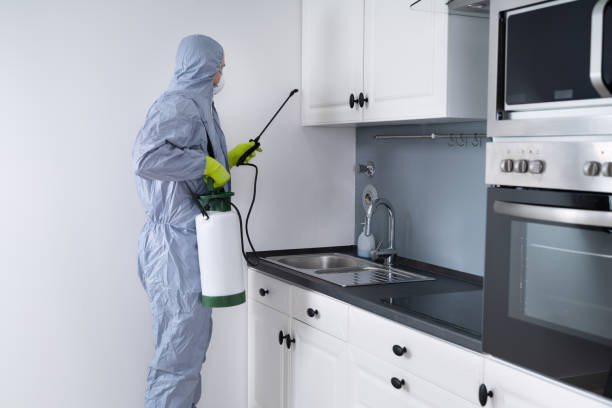
Expert Tips for Choosing an Exterminator Deltona FL: Certifications, Licensing, and Expertise
When selecting a pest control company, one of the most critical factors to consider is whether the company holds proper certifications, licenses, and has proven expertise in managing pest-related issues. This ensures that you are partnering with a professional organization capable of delivering safe and effective pest solutions while adhering to industry standards. Below are key aspects to evaluate regarding certifications, licensing, and expertise.
Importance of Certifications and Licensing
Certified and licensed pest control companies demonstrate their compliance with local, state, and national regulations. These credentials signify they possess the knowledge required to handle hazardous materials safely, use approved methods for pest management, and follow ethical practices.
- Regulatory Compliance:Licenses ensure the company complies with specific laws governing pesticide application in your area.
- Safety Assurance:Certified professionals are trained to minimize risks to humans, pets, and the environment during treatments.
- Quality Standards:Certification often involves adhering to recognized industry standards such as those set by the Environmental Protection Agency (EPA) or other government bodies.
Questions to Ask About Licensing
When assessing potential pest control providers, it’s essential to verify their credentials.
- Is your company licensed by local or state authorities?
- Are your technicians individually certified?
- How often do your employees undergo training or renew their certifications?
- Can you provide proof of insurance coverage for liability purposes?
Evaluating Expertise in Pest Control
Expertise is another crucial component that separates reliable companies from substandard providers. Companies with experienced technicians are more likely to correctly identify pests accurately and recommend effective treatment plans tailored to your needs.
Indicators of Expertise:
- Training Programs:Companies offering ongoing training programs for employees reflect their commitment to staying updated on best practices in pest control.
- Specialized Services:Look for providers who specialize in handling the specific type of infestation you’re dealing with – whether it’s termites, rodents, bed bugs, or another issue.
- Years in Business:While not always indicative of skill alone, more established firms tend to have a track record that speaks volumes about their reliability.
Certifications Worth Looking For
| Certification / Organization | Significance |
| National Pest Management Association (NPMA) | Ensures adherence to global standards for safety & ethical practices |
| GreenPro Certification | Focuses on environmentally responsible pest management solutions |
| QualityPro | Recognizes excellence in business operations & professionalism within the pest control industry |
| State Department of Agriculture | Mandates local licensing requirements catering specifically toward regional needs |
Red Flags When Choosing a Provider
Be cautious if you encounter any of these warning signs during your search:
– Absence of proper documentation or refusal to present license copies upon request. – Vague explanations about pesticide usage or reluctance in answering direct questions about chemicals being applied. – Lack of references from previous clients or poor online reviews indicating subpar service.
By prioritizing certified professionals who hold valid licenses alongside demonstrated expertise in their field – you’ll be ensuring both peace-of-mind as well as practical long-term solutions when addressing unwanted pests effectively yet responsibly within homes/business premises alike.
5 Effective Ways to Prevent and Control Pests in Your Home or Business
Effectively managing pests is key to maintaining a safe, healthy, and comfortable environment. Whether you’re protecting your home or business, prevention is always better than dealing with a full-blown infestation. Below are five proven strategies to help prevent and control pests.
Pests thrive in environments where food sources and shelter are readily available. Keeping your space clean is the foundation for pest prevention.
- Proper Waste Disposal:Use sealed garbage bins and empty them frequently to keep pests like rodents, ants, and flies at bay.
- Declutter Regularly:Clutter provides the perfect hiding spots for pests such as cockroaches and spiders. Minimize items piled up in storage areas.
Even the smallest openings in your home or business can serve as entry points for pests.
- Inspect Windows and Doors:Ensure windows have intact screens, doors have weather stripping, and there are no visible gaps.
- Install Door Sweeps:A simple addition of door sweeps can block insects from crawling indoors through cracks under doors.
| Common Entry Points | Recommended Fixes |
| Cracks around windows | Apply silicone caulk |
| Gaps under doors | Install door sweeps |
| Broken vents or screens | Replace damaged materials |
Pests like termites, mosquitoes, and cockroaches thrive in moist environments.
- Fix Leaks Promptly:Repair dripping faucets or leaking pipes that may attract pests needing water sources.
- Ventilate Damp Areas:Use dehumidifiers or exhaust fans in basements, bathrooms, kitchens, or any other moisture-prone areas.
- Improve Drainage Outside:Ensure gutters are clear of debris so water doesn’t pool near the foundation of your building.
Integrated Pest Management is an effective approach combining multiple strategies for long-term control without over-relying on chemicals.
- Monitoring pest activity regularly.
- Identifying problem species early.
- Implementing physical barriers before infestations occur (e. g. , traps).
- Using pesticides sparingly as a last resort when non-toxic measures fail.
This approach minimizes harm to both people’s health and the environment while maintaining pest control effectiveness.
- Hire licensed professionals who can assess vulnerabilities specific to your building type.
- Consider scheduling routine inspections (quarterly or bi-annually), especially if located in high-risk areas prone to common infestations like termites or rodents.
- Look for companies offering eco-friendly alternatives if you prioritize sustainable solutions over chemical treatments.
By following these strategies consistently—and addressing small problems before they escalate—you’ll create a safer space that’s less inviting for unwanted pests without excessive reliance on harsh chemicals
5 Effective Ways to Prevent and Control Pests in Your Home or Business
Preventing and controlling pests is essential for maintaining a healthy and safe environment in your home or business. By adopting effective strategies, you can reduce the risk of infestations and protect your property from damage. Below are five proven methods to prevent and manage pests, ensuring a clean and pest-free space.
A clean environment is less attractive to pests. Regular cleaning not only eliminates food sources but also disrupts potential nesting areas for pests like rodents, ants, and cockroaches.
- Remove crumbs and spills immediately from floors and countertops.
- Wash dishes promptly after meals and avoid leaving them overnight in the sink.
- Take out the trash regularly, using sealed garbage bags to avoid attracting pests.
- Keep storage areas such as basements, attics, and closets clutter-free to minimize hiding spaces for insects or rodents.
- Inspect your property regularly for potential entry points.
| Common Entry Points | How to Address Them |
| Cracks in walls | Use silicone caulk or foam sealant |
| Gaps beneath doors | Install door sweeps |
| Broken window screens | Replace with new mesh |
| Openings around pipes | Use steel wool combined with sealant |
Improper food storage is one of the primary reasons pests invade homes or businesses.
- Keep pet food sealed when not in use.
- Avoid leaving ripe fruits on counters for extended periods — refrigerate them instead.
Periodic inspections help identify early signs of pest activity before they turn into full-blown infestations.
- Check dark corners, under furniture, basements, attics, and kitchens for pest droppings or nests.
- Look for chew marks on wires (a sign of rodents) or damage to stored items like paper packaging.
- Inspect wooden structures periodically for signs of termites (e. g. , hollow-sounding wood).
Sometimes proactive treatments can act as a barrier against certain pests.
- Apply weather-resistant pesticides around the exterior perimeter of buildings if necessary (preferably eco-friendly options).
- Consider non-toxic traps for common household pests like ants or cockroaches.
- For businesses dealing with sensitive environments like food preparation areas, hire licensed pest control services that specialize in preventive care programs.
By combining these strategies consistently over time, you can significantly reduce the likelihood of dealing with major pest infestations while maintaining a healthier living or working environment.
Do You Need Pre-Construction Termite Treatment and Why It’s Important
Pre-construction termite treatment is a proactive pest control measure that can save homeowners and property developers from significant costs and damage in the future. Termites are known as “silent destroyers” because they often remain undetected while causing extensive structural damage. This type of treatment is essential for safeguarding your investment and ensuring the long-term integrity of your building.
What is Pre-Construction Termite Treatment?
Pre-construction termite treatment involves applying termiticides to the soil before the foundation of a building is laid. This creates a chemical barrier between termites in the soil and the structure being built. The goal is to prevent termites from accessing wooden components of the property, which are their primary food source.
Benefits of Pre-Construction Termite Treatment
- Preventive treatments are typically more affordable compared to termite extermination after an infestation has occurred.
- Treatments reduce the likelihood of structural repairs, which can be costly once significant damage has been done.
- Effective pre-treatment offers years of protection against termite invasions, making it a sound investment for any property owner or developer.
- Properties with pre-construction termite treatments may appeal more to prospective buyers or tenants due to their added protection against potential infestations.
- In many regions, pre-construction termite treatment is legally mandated for new construction projects as part of local building regulations.
Key Steps in Pre-Construction Termite Treatment
- The construction site must be cleared and graded before applying chemicals.
- A liquid termiticide solution is sprayed on excavated soil at various stages, including under slabs and around foundations.
- Pay special attention to areas where wooden structures will come into contact with treated soil to prevent entry points for termites.
- Regular inspections should follow even after pre-construction treatment to ensure continued efficacy over time.
| Step | Description | Importance |
| Site Preparation | Clearing debris & grading | Ensures even chemical application |
| Soil Treatment | Applying chemicals beneath foundations | Creates a protective barrier |
| Foundation Focus | Protecting wooden components | Prevents direct access by termites |
| Maintenance | Routine inspections post-treatment | Sustains long-term effectiveness |
Signs You Might Skip Without Pre-Treatment
- Swollen floors or walls caused by hidden tunneling termites.
- Hollow-sounding wood when tapped.
- Mud tubes along walls and foundations used by termites for transportation.
- Expensive repairs that could have been prevented through early intervention.
Choosing Reliable Providers
- Verify certifications and licenses required by local authorities.
- Look for providers using eco-friendly termiticides that minimize environmental impact.
- Ensure warranties are offered as part of their service package for added peace of mind.
By addressing potential infestations before construction begins, you safeguard your investment while adhering to best practices in pest control management strategies.
Do You Need Pre-Construction Termite Treatment and Why It’s Important
When constructing a new building or home, it is crucial to consider preventative measures against termites. Termites are silent destroyers that can compromise the structural integrity of a property if left unchecked. Pre-construction termite treatment is one of the most effective ways to protect your investment from future infestations. Below, we explore what pre-construction termite treatment entails, why it matters, and how to ensure it’s implemented correctly.
What is Pre-Construction Termite Treatment?
Pre-construction termite treatment involves applying chemical barriers or other preventive measures during the construction phase of a building. This creates a protective shield in the soil beneath and around the structure, preventing termites from invading the property once it is complete.
The process typically includes:
– Treating soil before slab placement:A liquid termiticide is applied to the soil where the foundation will be laid. This prevents subterranean termites from tunneling into the building through underground entry points.
– Wall and joint treatment:Gaps between walls or joints are treated to create an additional barrier against termite intrusion.
– Creating chemical perimeters:Chemicals may also be applied around the exterior foundation for added protection against termites attempting to access from nearby colonies.
Why Pre-Construction Termite Treatment is Important
- Protection Against Costly Damage
Termites cause billions of dollars in damage annually worldwide by eating through wood, drywall, and even insulation materials. Treating your property during construction significantly reduces future repair costs by eliminating infestations before they start. - Long-Term Effectiveness
Pre-construction treatments often last several years when applied correctly by trained professionals using high-quality products. This longevity ensures peace of mind and long-term protection against potential infestations. - Compliance with Building Codes
In many regions, pre-construction termite treatment is not just advisable but mandatory under local building codes or regulations. Failure to comply with these requirements may lead to legal complications or issues during inspections. - Enhanced Property Value
Homes or commercial buildings with proper preventive measures in place are more attractive to buyers and investors since they represent lower risks related to structural damage.
Understanding Your Options for Pre-Construction Termite Treatment
| Method | Description | Pros | Cons |
| Liquid Soil Treatment | Chemicals sprayed on soil before foundation work starts | Long-lasting protection; cost-effective | Requires professional application; may involve chemical exposure risks if misapplied |
| Bait Systems | Bait stations placed around construction areas attract termites before they reach your property | Minimal environmental impact; less intrusive application process | May require monitoring over time; slower action compared to liquid treatments |
| Physical Barriers (e.g., stainless steel mesh) | Non-toxic physical barriers installed beneath foundations that block termites physically entering buildings | Eco-friendly solution; no chemicals involved | Can be expensive upfront; requires skilled labor for installation |
Tips When Opting for Pre-Construction Termite Treatments
- Hire Certified Professionals:Always choose licensed pest control companies experienced in pre-construction treatments.
- Understand Warranties:Ensure that a comprehensive warranty accompanies your treatment plan.
- Verify Product Certifications:Use government-approved termiticides or eco-friendly materials suited for specific needs.
- Top Pest Problems and How an Exterminator Deltona FL Can Help
- The Ultimate Guide to Finding an Exterminator Deltona FL Services
- How Deltona Pest Control Services Ensure a Healthy Environment
- Understanding What a Deltona FL Pest Control Company Does and Why It Matters
- Top 7 Reasons Why Hiring a Deltona FL Pest Control Company Is Essential to Protect Your Home and Health
- How to Choose the Right Deltona FL Pest Control Company for Your Needs
- The Importance of Hiring an Exterminator Deltona FL for Regular Pest Inspections and Long-Term Home Protection
- What to Expect During Pest Control Treatment with an Exterminator Deltona FL